OEM Manufacturing
Back to Industries

OEM Manufacturing

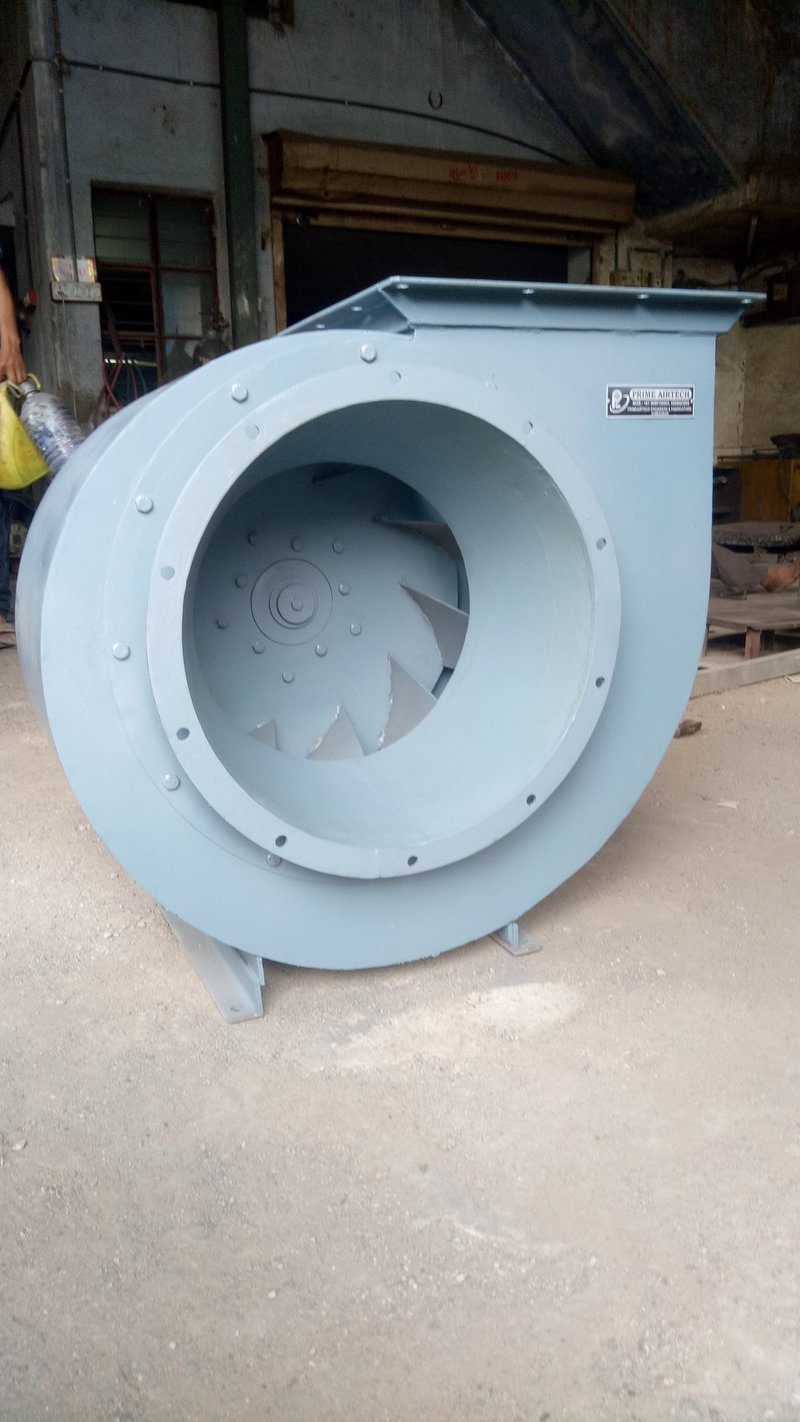
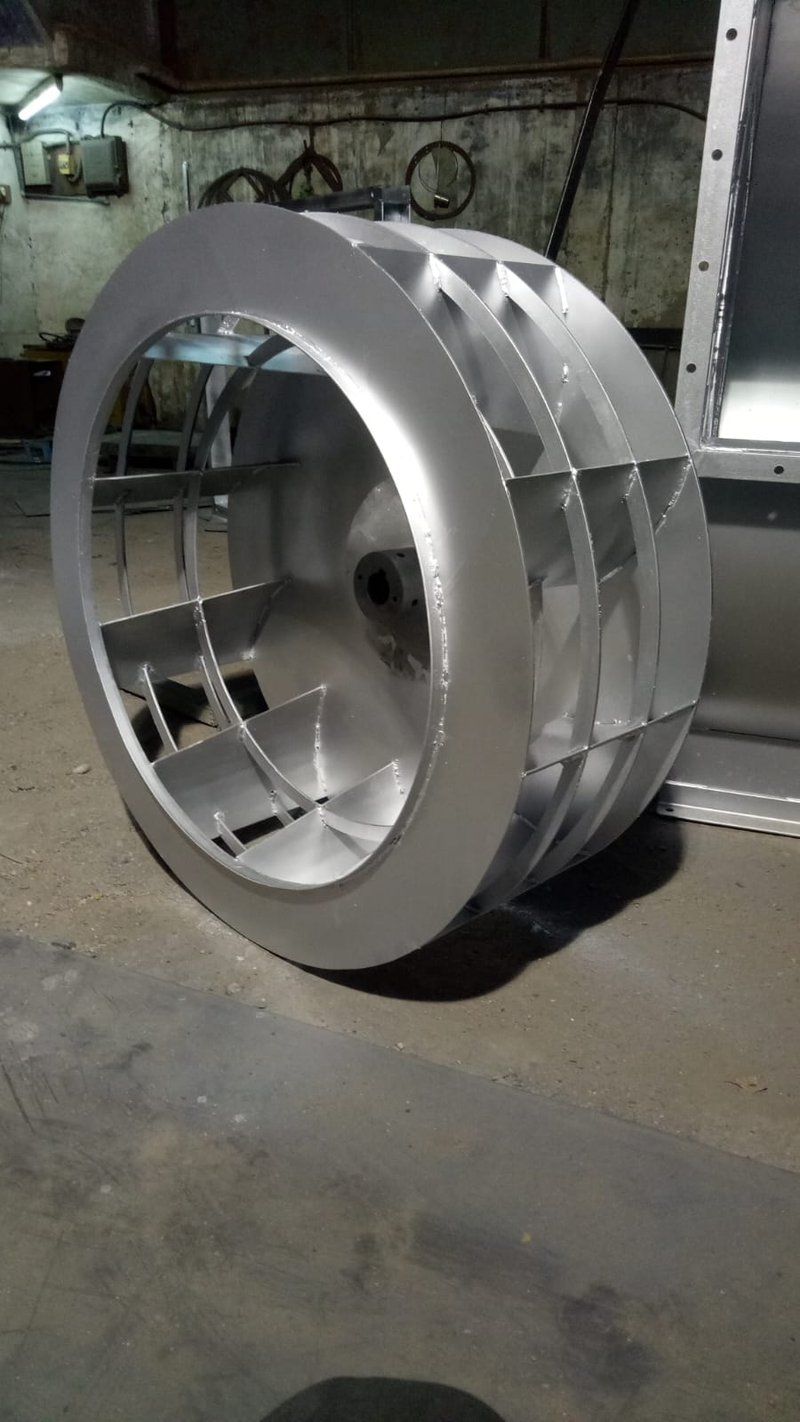
Custom fans and blowers supplied as components to other equipment manufacturers.

Industry Overview

We partner with OEMs to provide reliable air movement components for their machines, from ovens to generators.

Key Challenges

Strict dimensional constraints
Just-in-time delivery
Custom performance matching
Private labeling

Market Landscape & Opportunities

Original Equipment Manufacturers (OEMs) in Gujarat produce machinery for various industries—textile machinery, food processing equipment, pharmaceutical equipment, material handling systems, elevators, pumps, compressors. Common air handling needs include: Welding fume extraction in fabrication shops (MIG/TIG/spot welding generating iron oxide, manganese, chromium fumes), grinding/polishing dust collection (metal finishing operations), spray painting/powder coating booths (surface finishing), and machining coolant mist collection (CNC machines using oil/water-based coolants creating aerosol mist accumulating on floors, windows, machinery). The OEM sector values flexible, modular air systems adaptable to changing production (job shop vs assembly line). Cost sensitivity is high but quality demanded—equipment must be reliable (downtime stops production) and efficient (minimizing operating cost).

Industry-Specific FAQs

Frequently Asked Questions

Common Questions About OEM Manufacturing

Find answers to the most common questions asked by our clients.

Metalworking fluids (MWF): Liquids used in machining (turning, milling, grinding) for cooling/lubrication. Types: (1) Straight oils: Mineral/vegetable oil, no water. (2) Soluble oils: Oil-in-water emulsion (3-10% oil). (3) Synthetics: Water-based, no petroleum oil. (4) Semisynthetics: Blend of soluble + synthetic. Mist formation: High-speed machining (spindle RPM 5,000-30,000+), cutting action atomizes coolant creating aerosol mist (droplet size 0.5-10 micron) suspended in air. Also evaporation from hot workpiece/tooling. Mist concentration: CNC machine without collection: 0.5-5 mg/m³ oil mist in immediate vicinity (exceeds 0.5 mg/m³ ACGIH TLV). Accumulates in building reaching 0.1-1 mg/m³. Hazards: (1) Respiratory: Inhalation causes occupational asthma, bronchitis, hypersensitivity pneumonitis. Carcinogenic potential (straight oils contain PAHs). (2) Skin: Dermatitis, folliculitis, oil acne from skin contact. (3) Safety: Mist settles on floors creating slip hazard. Accumulation on electrical creating short-circuits, fires. (4) Housekeeping: Mist coats windows (vision loss), machines (gummy buildup), product (contamination). Collection: Mist collector on individual machine: Extract air from machining enclosure, pass through coalescing filter (droplets coalesce on media, drain by gravity), discharge clean air. Efficiency 95-99%. Airflow 500-3,000 CFM per machine. Centralized system: Duct network collecting from multiple machines to central filter house. Benefits of collection: Healthier workplace, regulatory compliance, cleaner facility, machine reliability (no oil buildup in controls/electronics), recovered oil returned to sump reducing consumption 10-30%.

Still Have Questions?

Our team is here to help you find the perfect solution for your industrial needs.

Recommended Solutions

Get a Custom Solution

Every facility is unique. Our engineers can design a system tailored to your specific OEM Manufacturing requirements.

  • Free Site Consultation
  • Custom Engineering
  • Performance Guarantee
Request a Quote

Need immediate assistance?

+91 9099199003