Power Plants
Back to Industries

Power Plants

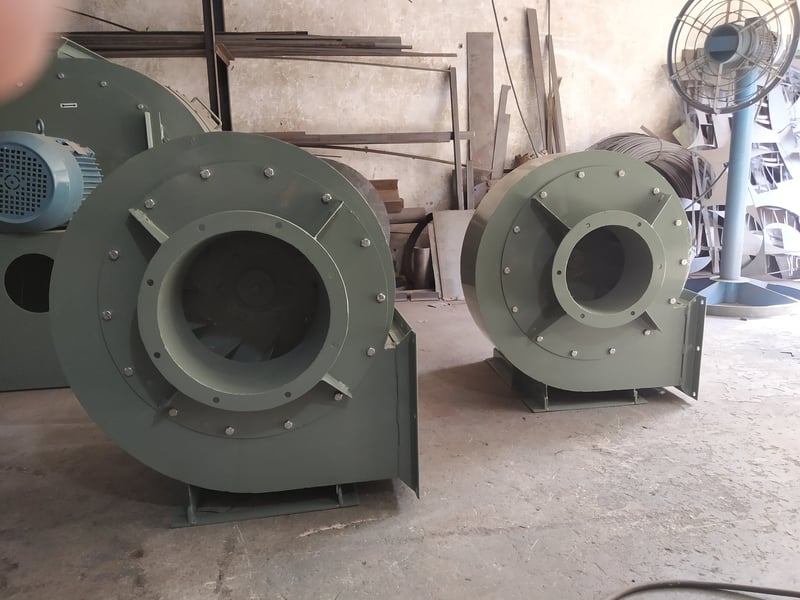
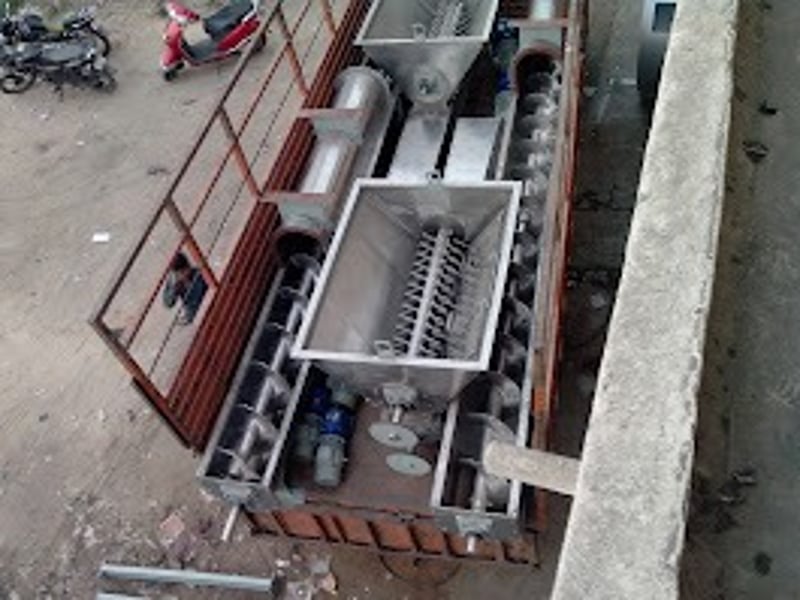
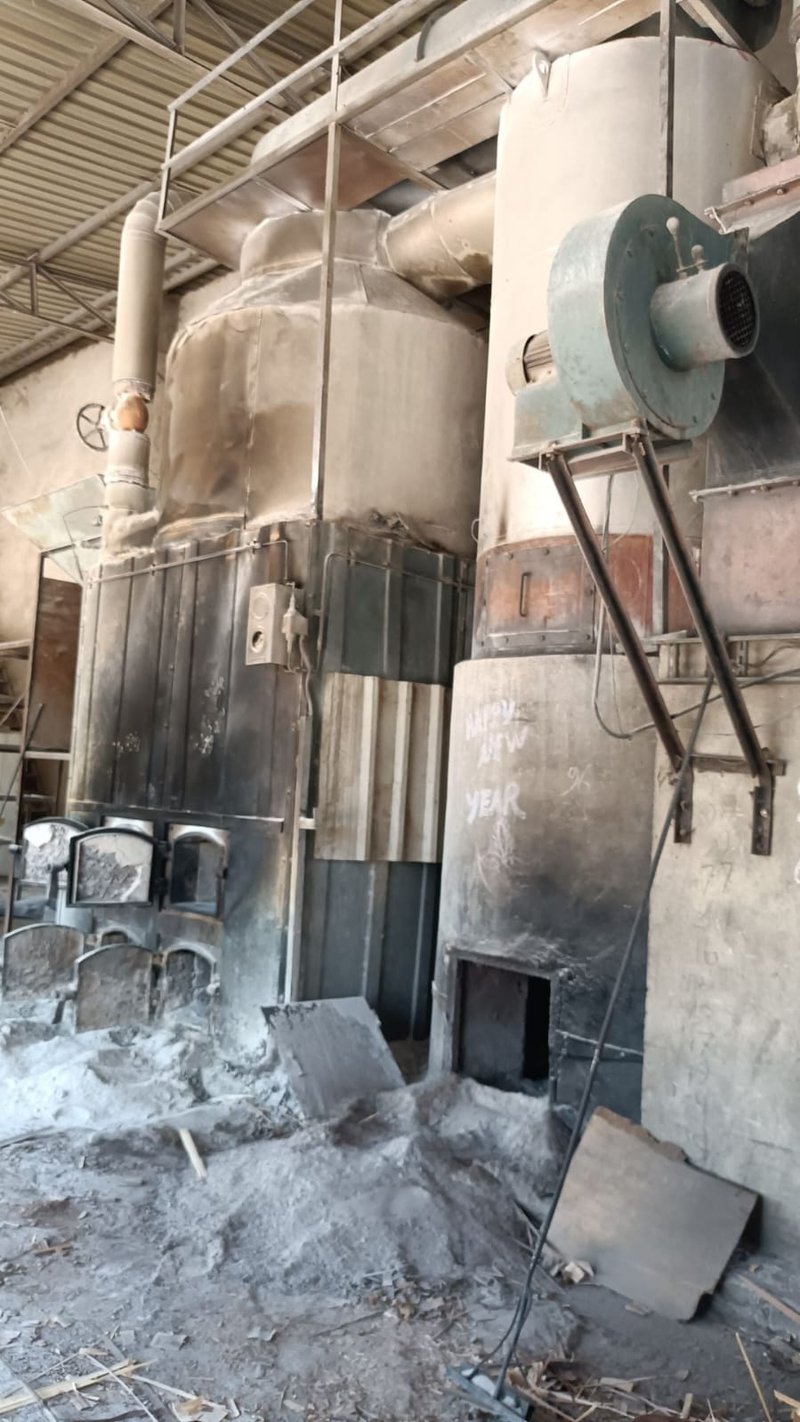
Massive draft fans and ash handling systems for thermal and captive power generation.

Industry Overview

Power plants rely on heavy-duty fans for boiler draft and fly ash handling. Reliability is the top priority.

Key Challenges

Handling massive air volumes
High wear from fly ash
24/7 continuous duty
Energy efficiency at scale

Market Landscape & Opportunities

Power generation remains the backbone of India's industrial infrastructure, with Gujarat operating 35+ thermal power plants (coal, gas, captive) with combined capacity exceeding 30,000 MW. These facilities represent the most demanding air handling applications in industry—massive airflow volumes (500,000-2,000,000+ m³/hr per unit), extreme temperatures (300-450°C flue gases), highly abrasive fly ash (50-200 g/Nm³ dust loading), continuous 24/7/365 operation for 25-30 years, and zero tolerance for unplanned outages (forced outage cost = ₹1-5 crore per day). A single 500 MW coal-fired unit requires: ID fan (induced draft) extracting 2+ million m³/hr flue gas against 200-300 mmWC, FD fan (forced draft) supplying 1.5+ million m³/hr combustion air, PA fans (primary air) for coal pulverizing at 700-1200 mmWC, ash handling pneumatic conveying systems, and cooling tower fans circulating 500,000+ m³/min for condenser cooling. At Primeairtech, while our sweet spot is 50-500 HP range for captive power plants and industrial boilers, we understand power plant requirements and supply components for larger installations.

Technical Requirements

Massive scale: 500 MW unit ID fan: 2,000,000 m³/hr at 250 mmWC requiring 2,500-3,500 kW motor. Impeller diameter 3-5 meters, weighing 10-25 tons. Material demands: Fly ash erosion rates 5-15mm/year requiring 20-30mm thick AR400/500 impeller blades, replaceable wear liners every 3-5 years. High temperature: Flue gas 180-280°C requiring thermal expansion provisions (100-200mm axial growth), special high-temp bearings, cooling systems. Reliability: Target availability >98% (unplanned outage causes grid instability), requiring redundant systems, online condition monitoring (vibration, temperature, bearing condition), predictive maintenance. Efficiency: 1% fan efficiency improvement saves 25-35 kW per 1 MW fan = ₹15-25 lakh/year at ₹7/kWh for 8,000 hrs operation, justifying premium backward-curved or airfoil impellers. Emission compliance: Particulate <50 mg/Nm³ requiring ESP (electrostatic precipitator) or bag filter, SOx/NOx limits requiring FGD (flue gas desulfurization) or SCR (selective catalytic reduction).

Our Industry Solutions

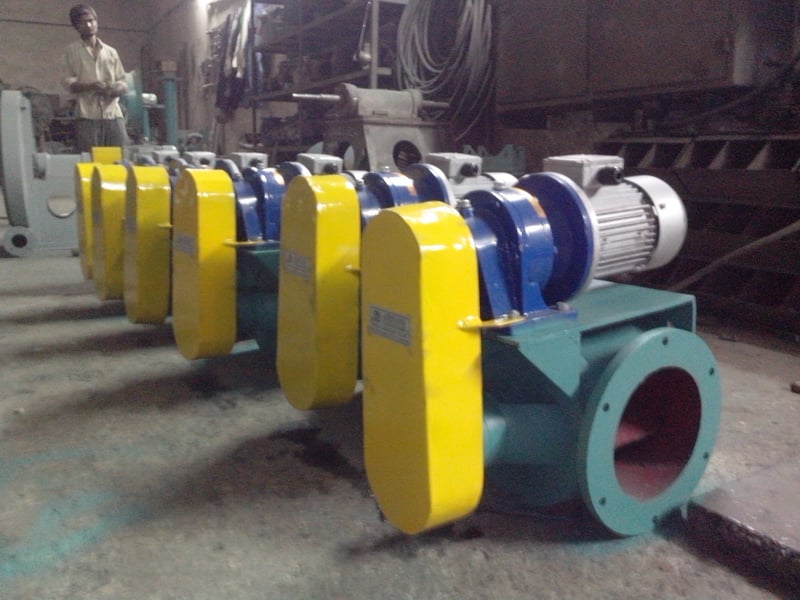
While utility-scale power plants require fans beyond our typical capacity range (we focus on <500 HP industrial applications), we actively support the power sector through: (1) Captive power plants: Complete ID/FD/PA packages for 15-100 MW industrial captive units. We supplied a 50 MW captive plant with 3 ID fans (450,000 m³/hr each, 600 mmWC, 650 kW motors) achieving 99.2% availability over 4 years. (2) Component supply: Impellers, dampers, expansion joints, and ductwork for utility plant maintenance and upgrades. (3) Auxiliary systems: Coal handling dust suppression, ash handling pneumatic conveying (we supplied 8-inch roots blowers conveying 40 TPH ash over 300 meters), cooling tower makeup fans. (4) Retrofits and upgrades: Efficiency improvements on aging fans, emissions control retrofits (bag filters for fly ash), noise reduction (silencers, acoustic enclosures). We position ourselves as the go-to supplier for power plants needing quick-turnaround spares and specialized auxiliary equipment where our engineering flexibility provides value.

Industry-Specific FAQs

Frequently Asked Questions

Common Questions About Power Plants

Find answers to the most common questions asked by our clients.

Induced Draft (ID) Fan: Creates negative pressure (suction) pulling flue gas from boiler through air preheater, ESP/bag filter, FGD (if present), and exhausting to stack. Handles hot (180-280°C), dirty (with fly ash) flue gas. Largest and most critical fan—failure stops unit. 500 MW unit: 2,000,000 m³/hr at 250 mmWC, 2,500 kW motor. Forced Draft (FD) Fan: Pushes combustion air into boiler furnace at 150-250 mmWC pressure overcoming windbox resistance. Handles ambient air (simple duty). 500 MW: 1,500,000 m³/hr, 1,800 kW. Primary Air (PA) Fan: Supplies high-pressure (600-1200 mmWC) air to coal mills for pulverizing and conveying coal to burners. Handles heated air (250-350°C) after air preheater. 500 MW: 400,000 m³/hr, 1,200 kW. Sizing logic: ID fan larger than FD due to: (1) Thermal expansion—flue gas at 200°C vs ambient air occupies 1.7× volume for same mass. (2) Air leakage—boiler operates at negative pressure, air leaks in adding 15-25% to gas volume. (3) FGD addition—wet scrubber adds water vapor increasing volume. Control: ID and FD fans modulate together maintaining furnace draft at -5 to -10 mmWC (slight negative preventing flame puffback). PA fan follows coal feed rate. Operational note: Never lose ID fan during operation—would cause furnace over-pressure and potential explosion. Redundancy critical.
Erosion from fly ash: #1 cause. Coal ash (SiO2, Al2O3 hardness 6-7 Mohs) at 30-50 g/Nm³ concentration impacts impeller at 50-100 m/sec wearing blades 5-15mm/year. Tip erosion worst (highest velocity). Poor-quality coal (high ash %) accelerates wear. Corrosion: Sulfur in coal forms SO2/SO3 → H2SO4 below ~150°C acid dew point. Eats metal, especially at startups/shutdowns when temperatures cycle through dew point. High-sulfur coal (>2% S) requires stainless or acid-resistant coatings. Thermal stress: Repeated heating/cooling during startups/shutdowns causes metal fatigue cracks. Rotor thermal growth/contraction (150-250mm for large fans) requires proper expansion joints—inadequate provision causes rubbing or misalignment. Bearing failures: Oil contamination (water, dust ingress), improper lubrication, high vibration from imbalance/misalignment. Bearing failure leads to catastrophic rotor drop. Vibration: Imbalance from non-uniform erosion, ash buildup on blades, thermal distortion, loosened components. Vibration >11 mm/sec (rms) causes bearing damage, foundation cracking, seal failure. Material buildup: Fly ash accumulation on impeller (especially forward-curved blades) causing imbalance. Mitigation: AR400/AR500 abrasion-resistant steel (3-5× wear life), replaceable wear liners, oversized fans reducing velocity, regular online/offline cleaning, vibration monitoring (shutdown if >18 mm/sec alarm), thermal expansion provisions, acid-resistant materials for high-sulfur fuels. Preventive replacement: Many plants replace ID fan rotors/impellers every 5-8 years proactively vs waiting for failure (sudden failure causes ₹5-10 crore lost generation).
Capital cost examples: 500 MW unit ID fan (2,000,000 m³/hr, 250 mmWC): ₹10-18 crore including motor, VFD, installation. FD fan (1,500,000 m³/hr, 200 mmWC): ₹6-12 crore. PA fans (400,000 m³/hr, 1000 mmWC, 2 units): ₹8-14 crore total. Total per 500 MW unit: ₹25-45 crore for all draft fans. Operating cost: ID fan 2,500 kW running 8,000 hrs/year: 2,500 × 8,000 × ₹7/kWh = ₹14 crore/year electricity. Over 25-year plant life, operating cost = ₹350 crore (25× capital cost!). Maintenance cost: Annual routine = ₹50-80 lakh (inspections, lubrication, minor parts). Major overhaul every 5 years = ₹2-4 crore (rotor refurbishment, bearing replacement, alignment). Unplanned failure = ₹5-15 crore (emergency rotor replacement + ₹2-5 crore lost generation during 5-10 day outage). Lifecycle cost: 25-year total = ₹15 crore capital + ₹350 crore energy + ₹25 crore maintenance = ₹390 crore. Energy dominates lifecycle cost—every 1% efficiency gain saves ₹3.5 crore over plant life. Efficiency focus: Utilities willing to pay 30-50% premium for high-efficiency designs (backward-curved or airfoil impellers, wide impellers, precision-manufactured housings) that save 3-8% energy. Payback <2 years on energy savings alone.
Fly ash is incombustible mineral residue from coal combustion. Composition: SiO2 (silicon dioxide) 40-60%, Al2O3 (aluminum oxide) 20-40%, Fe2O3, CaO, MgO, carbon (unburned coal 1-10%). Hardness: SiO2 and Al2O3 have Mohs hardness 6-7 (between feldspar and quartz), making them highly abrasive. Size distribution: 80% by mass <100 micron, 50% d50 ~10-50 micron, with significant fraction <10 micron penetrating deep into lungs (respirable dust hazard). Concentration: Raw flue gas 30-80 g/Nm³ at boiler exit (Indian coal 25-45% ash vs imported 10-20%). After ESP/bag filter: <50 mg/Nm³ meeting emission norms. Erosion mechanism: Fly ash particles entrained in flue gas at 50-100 m/sec velocity impact impeller blades and housing, mechanically abrading metal. Wear rate: Proportional to V³ (velocity cubed!), particle hardness, concentration, and impact angle. Impact on fans: (1) Blade erosion: Leading edge and tip wear worst (highest velocity + impact angle). Mild steel: 8-15mm/year wear. AR400: 2-4mm/year. (2) Housing wear: Scroll cutwater and high-velocity zones erode through, requiring liner replacement or housing renewal. (3) Imbalance: Non-uniform erosion creates rotor imbalance causing vibration → bearing failure. (4) Buildup: Sticky ash (high carbon content, condensed sulfates) cakes on blades increasing weight, reducing airflow, and causing imbalance. Mitigation: Pre-separation (cyclone removing 50-70% of coarse ash before fan), abrasion-resistant materials, oversizing fan (lower velocity = V³ effect dramatically reduces wear), radial blade design (self-cleaning), online water wash or air blast cleaning.
Ash content: Indian coal typically 25-45% ash vs imported coal 10-20%. Impact: Higher ash = more fly ash erosion on fans/ductwork, larger ESP/bag filter needed (+30-50% capital cost), higher ash handling costs, lower plant efficiency (ash doesn't burn, just thermal ballast). Moisture content: Indian coal 8-15% inherent moisture, some lignites 30-50%. High moisture reduces calorific value (energy wasted evaporating water), increases stack losses (wet flue gas larger volume), can cause coal handling issues (sticking, freezing in winter). Sulfur content: 0.3-1.5% typical, some coals >2%. Sulfur forms SO2/SO3 → acid corrosion below 150°C dew point. High sulfur requires FGD (flue gas desulfurization) adding ₹200-400 crore capital cost for 500 MW unit. Volatile matter: Bituminous 20-35%, lignite 45-55%. High volatiles = easier ignition,lower excess air needed, but more soot formation. Calorific value: Indian coal 2,500-5,000 kcal/kg vs imported 6,000-7,000 kcal/kg. Low calorific value requires burning more coal per kWh (higher mining/transport costs), larger bunkers/conveyors, bigger pulverizers and burners. Sizing: Lump coal (>50mm) vs fine coal (<6mm). Excessive fines cause classifier bypass in mills (unburned carbon loss), dust handling issues. Economic impact: Switching from imported coal (6,500 kcal/kg, ₹9,000/ton) to domestic (3,500 kcal/kg, ₹4,000/ton): Domestic requires 1.86× mass for same energy = ₹7,440/ton effective cost + higher ash disposal + more wear. Sometimes imported coal cheaper despite higher price! Blending strategy: Mix domestic + imported optimizing cost vs performance avoiding worst consequences of either extreme.
India CPCB 2015 norms (Dec 2024 deadline extended): Particulate matter: <30 mg/Nm³ (older plants <50 mg allowed till Dec 2024, then <30mg). Requires ESP or bag filter achieving 99.5-99.9% efficiency. SOx: <200 mg/Nm³ for coal plants >500 MW in critically polluted areas, <600 mg elsewhere. Compliance via low-sulfur coal blending or FGD (Flue Gas Desulfurization) limestone scrubber removing 90-95% SO2. FGD capital cost ₹35-60 crore per 100 MW. NOx: <300 mg/Nm³ (from 2024). Requires Low-NOx burners (20-30% reduction) + SNCR (Selective Non-Catalytic Reduction, urea/ammonia injection,40-60% reduction) or SCR (Selective Catalytic Reduction, 80-90% reduction but ₹100-200 crore per 100MW). Mercury: <0.03 mg/Nm³ (proposed, not enforced). Requires activated carbon injection. Water consumption: <3.5 liters/kWh specific consumption. Drives dry cooling adoption despite efficiency penalty. Ash utilization: 100% utilization mandated (use in cement, bricks, roads vs landfilling). Stack height: Minimum calculated based on capacity ensuring adequate dispersion. Non-compliance penalties: Older plants ₹10 lakh/month + potential closure orders. New plants must meet from day one. Compliance cost: Retrofitting existing 500 MW plant for full compliance: ESP upgrade ₹50 crore, FGD ₹250 crore, SNCR ₹30 crore, total ₹330 crore = 30% of original plant cost. Many older plants uneconomic to upgrade, facing early retirement. New plant designs incorporate all controls from start.
Energy savings: Fan power proportional to speed³ (affinity laws). Reducing fan speed 20% (from damper/vane control to VFD) cuts power 49% [ (0.8)³ = 0.512 ]. Typical ID fan cycling between 80-100% load: VFD saves 15-30% average power vs damper control. 500 MW ID fan 2,500 kW: savings 375-750 kW = ₹20-40 lakh/year at ₹7/kWh, 8,000 hrs. Payback: VFD capital ₹50-80 lakh for 3 kV, 2,500 kW drive = 1.5-3 years payback from energy alone. Precise control: VFD maintains exact pressure/flow setpoint ±1% vs ±5-10% damper control. Critical for furnace draft control (target -8 mmWC maintained precisely preventing puffback or implosion). Soft start: VFD ramps motor smoothly eliminating 6-8× inrush current that stresses electrical system. Mechanical shock reduced extending coupling/bearing life 30-50%. Grid support: During grid frequency drops, VFD can temporarily reduce fan load shedding 10-20% power in <1 second helping grid stability (ancillary service revenue potential). Reduced maintenance: Eliminates damper/vane linkages (wear points), reduces motor starts (thermal cycling), smoother operation (lower vibration). Challenges: Harmonic distortion (requires filters), bearing currents from high dv/dt (requires insulated bearings), higher capital cost, requires skilled maintenance. Modern trend: Every new power plant specifies VFD on major fans (ID, FD, PA) for efficiency and control benefits. Retrofit ROI compelling even for existing plants.

Still Have Questions?

Our team is here to help you find the perfect solution for your industrial needs.

Recommended Solutions

Get a Custom Solution

Every facility is unique. Our engineers can design a system tailored to your specific Power Plants requirements.

  • Free Site Consultation
  • Custom Engineering
  • Performance Guarantee
Request a Quote

Need immediate assistance?

+91 9099199003