Foundry Industry
Back to Industries

Foundry Industry

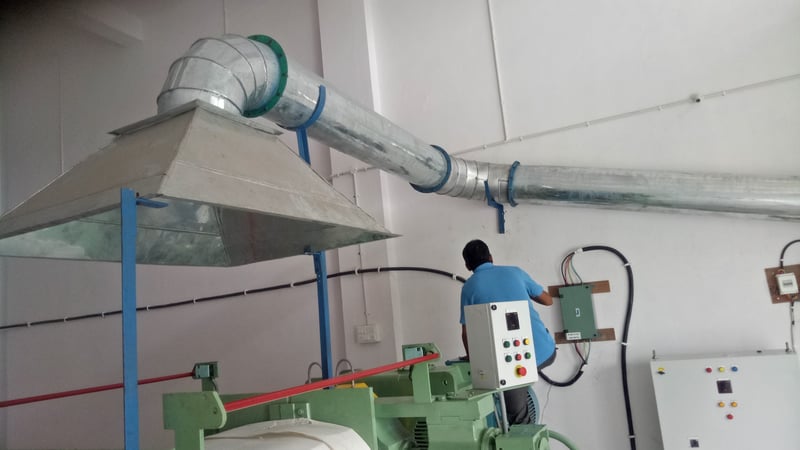
Heavy-duty extraction systems for capturing fumes and dust in metal casting operations.

Industry Overview

Foundries generate significant heat, fumes, and dust. Effective ventilation is crucial for worker safety and environmental compliance.

Key Challenges

Capturing hot, toxic fumes
Filtering fine metal dust
Cooling the work environment
Handling sand and mold materials

Market Landscape & Opportunities

Foundry operations—melting metal and pouring into molds to create castings—represent one of the most hazardous environments for air quality, generating massive quantities of metal fumes, dust, heat, and toxic gases. Gujarat has 800+ foundries producing grey iron, ductile iron, steel, aluminum, brass, and bronze castings for automotive, machinery, and pipe industries. Key air handling challenges include: Metal fume extraction from induction furnaces and cupola furnaces capturing zinc, lead, manganese, and iron oxides at source before worker exposure; knockout and shakeout dust collection handling 1-5 tons/hour of molding sand; grinding and finishing booth extraction removing metal dust and silica; and cooling ventilation providing 20-40 air changes/hour removing radiant heat (ambient temperatures often 40-50°C). Worker health is critical—metal fume fever, silicosis from sand dust, and heat stress are constant risks requiring comprehensive air systems.

Technical Requirements

Metal fume capture: Induction furnace melting generates ultra-fine metal oxide fumes (0.01-1.0 micron) requiring 99.9% filtration for Zn, Pb, Mn (health hazards). Capture rate 150-300 CFM per sq.ft furnace opening for canopy hood, or 50-80% less with direct evacuation gun. Sand dust collection: Silica sand (SiO2) dust from knockout/shakeout is respirable hazard causing silicosis. High dust loading 50-500 g/m³ requires robust bag filters with AR construction. High temperature: Molten metal (iron 1450°C, aluminum 700°C) radiates intense heat—ductwork near furnaces requires refractory lining or water-cooling. Spark resistant: Grinding generates sparks—aluminum or stainless impellers vs steel preventing ignition. Large volumes: Building ventilation 100,000-500,000 CFM for medium foundry providing 20-40 ACH heat removal. Filter media: High-temp Aramid or fiberglass bags (200-260°C rating) for hot fume, polyester for ambient dust collection. Explosion risk: Aluminum and magnesium dust explosive—require ATEX-compliant systems.

Our Industry Solutions

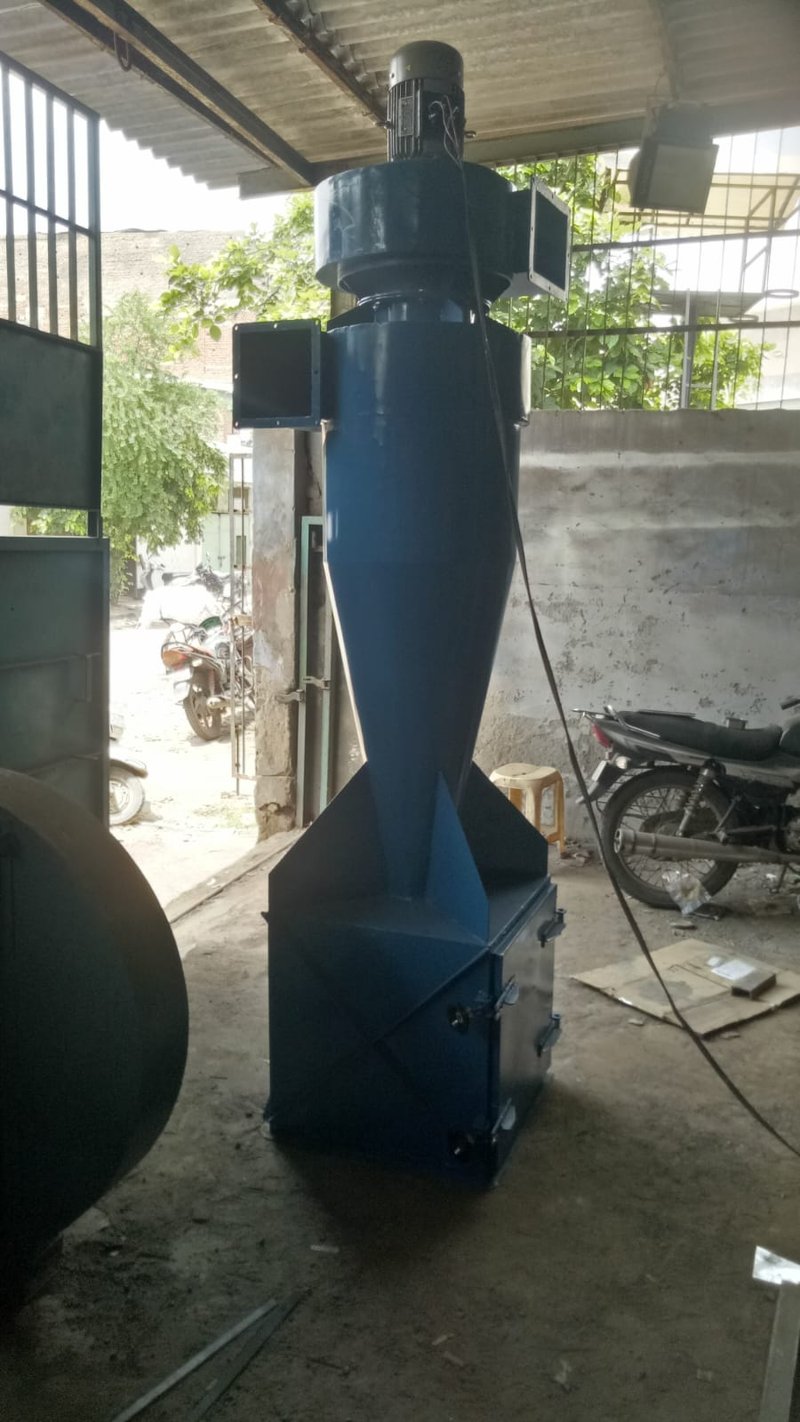
We have supplied fume extraction and dust collection systems to 40+ foundries across Gujarat. Our induction furnace fume packages feature: Side-draft capture hoods sized for specific furnace geometry achieving 95%+ capture efficiency, water-cooled ductwork handling 300-500°C fumes from tapping operations, high-efficiency bag filters with Aramid bags providing <5 mg/Nm³ emission (well below 50 mg regulatory), and properly sized ID fans (typically 25,000-80,000 CFM per furnace). For an iron casting facility with 4× 5-ton induction furnaces, we designed a central fume system collecting from all furnaces with individual dampers allowing operation in any combination—achieved 99.3% uptime over 3 years with bi-annual bag changes. Our shakeout dust collectors handle massive dust loads (200-800 g/m³) using cyclone pre-separators removing 75% of sand for re-use, pulse-jet bag filters for final cleanup, and rotary airlocks discharging collected sand back to sand system—recovering 85%+ of sand reducing raw material costs.

Industry-Specific FAQs

Frequently Asked Questions

Common Questions About Foundry Industry

Find answers to the most common questions asked by our clients.

Formation: Molten metal exposed to air oxidizes and vaporizes. Metal vapor (gaseous) cools rapidly in air condensing as ultra-fine solid particles (fume) 0.01-1.0 micron diameter. Common metal fumes: (1) Zinc oxide: From galvanized steel scrap, brass (70% Cu, 30% Zn). Causes metal fume fever (flu-like symptoms), chronic exposure → respiratory damage. (2) Lead oxide: From brass, leaded bronze, battery scrap. Neurotoxic, accumulates in body → brain/nerve damage, learning disabilities in children. (3) Manganese oxide: From steel, ferromanganese alloys. Chronic exposure → Parkinsons-like disease (manganism). (4) Hexavalent chromium: From stainless steel. Carcinogenic, lung cancer risk. (5) Iron oxide: Most common (all iron/steel melting). Lower toxicity but causes siderosis (lung discoloration, breathing issues). Exposure limits: Zinc oxide 5 mg/m³ (8-hr TWA), Lead 0.05 mg/m³, Manganese 0.2 mg/m³, Hexavalent Cr 0.001 mg/m³. Why ultra-hazardous: 0.01-1.0 micron size penetrates deep into alveoli (lung air sacs) depositing directly in bloodstream bypassing respiratory defenses. Symptoms: Acute: Metal fume fever (4-12 hrs after exposure—chills, fever, muscle ache, resolves in 24hrs but repeats with next exposure). Chronic: Permanent lung scarring, neurological damage (manganese), cancer (chromium), kidney/liver/brain damage (lead). Control: Source capture (extract at furnace before fume disperses), high-efficiency filtration (99.9%+ for toxic fumes), medical surveillance (blood lead/manganese testing for workers).
Canopy hood method: Large hood positioned 1-3 feet above furnace capturing rising fumes via thermal buoyancy (hot fume rises naturally). Requires 150-300 CFM per sq.ft hood opening. Advantage: Simple, doesn't interfere with furnace operation. Disadvantage: 70-85% capture efficiency (worker exposure during charging/skimming when not under hood), large air volume (higher energy cost). Direct Evacuation method: Hinged duct arm or downdraft table positioned 6-12 inches from fume source actively extracting. Requires only 50-120 CFM per sq.ft due to close proximity. Advantage: 90-95% capture, lower air volume, less conditioned air loss. Disadvantage: Operator must position arm (discipline required), can interfere with work. System components: (1) Capture device (hood/arm). (2) Ductwork: Water-cooled near furnace if temp >300°C, transitions to insulated MS duct. Minimum 3,500 FPM velocity preventing fume settling. (3) Cooling: Evaporative cooler or heat exchanger reducing gas from 300-500°C to 80-120°C before bag filter (fabric limit). (4) Filter: Pulse-jet bag filter with high-temp bags (Aramid 200°C, fiberglass 260°C) achieving 99.5-99.9% efficiency. (5) Fan: ID fan creating suction, sized for duct losses + filter pressure drop + hood suction. (6) Stack: Discharge treated air to atmosphere meeting <50 mg/Nm³ emission limit. Recovered fume: Metal oxide dust collected (5-20 kg per ton metal melted) can be sold to recyclers (₹5-15/kg for non-ferrous).
Source: Molding sand is 95-99% SiO2 (crystalline silica—quartz). Sand handling, knockout (removing casting from mold), and shakeout (separating sand from casting) generates massive silica dust. Size: Knockout/shakeout creates respirable silica dust <10 micron (often 50-70% of total dust by count, 10-20% by weight) that reaches alveoli. Silicosis mechanism: Inhaled crystalline silica particles deposit in lung alveoli. Alveolar macrophages (immune cells) engulf particles but cannot digest crystalline silica—cells rupture releasing enzymes causing inflammation and scarring (fibrosis). Over years, progressive scarring reduces lung elasticity and gas-exchange→ breathlessness, disability, death. Timeline: Chronic silicosis develops after 10-20 years exposure to respirable silica >0.05 mg/m³. Accelerated silicosis: 5-10 years at higher exposures. Acute silicosis: <5 years at very high exposures (often fatal). Irreversible: Lung scarring cannot be reversed. Disease progresses even after exposure stops. Increases tuberculosis risk 30-fold. Exposure limit: India: 0.1 mg/m³ respirable crystalline silica (8-hr TWA). ACGIH: 0.025 mg/m³ (stricter). Control measures: (1) Substitution: Replace silica sand with chromite, olivine, zircon (more expensive but lower health risk). (2) Wet methods: Water sprays during knockout suppressing dust generation. (3) Local exhaust: Enclosed knockout/shakeout with high-velocity (2,000-4,000 FPM) downdraft or side-draft collection capturing dust before dispersion. (4) PPE: Respirators for workers (but engineering controls preferred). (5) Housekeeping: Vacuum cleaning (never dry sweeping or compressed air blowing which re-suspends dust). (6) Medical surveillance: Chest X-rays, spirometry monitoring worker lung function. Silicosis is one of oldest and most severe occupational diseases—prevention through dust control is critical.
Purpose: Molding sand represents major cost (₹3,000-8,000/ton for quality sand). Typical foundry uses 3-10 tons sand per ton casting. Without reclamation, consuming 300-1,000 tons fresh sand/month at ₹15-60 lakh cost plus disposal of spent sand. Reclamation process: (1) Primary screening: Vibrating screens remove gross casting pieces, metal shots, lumps. (2) Attrition scrubbing: Sand agitated in drums or rotating mills mechanically abrading binder coating from sand grains. (3) Pneumatic separation: Air classification removing fine dust (<100 micron burnt organics, clay) from reusable sand (150-600 micron). Uses cyclones or zig-zag classifiers—dust to bag filter disposal, clean sand recovered. (4) Magnetic separation: Electromagnets removing ferrous metal contamination. (5) Cooling: Hot sand from knockout cooled to ambient before reuse. (6) Quality control: Test reclaimed sand for grain size distribution, clay content, loss on ignition (binder residue), moisture. Reclamation efficiency: Typical green sand system reclaims 85-95% of sand. 5-15% lost as fines or contamination requires fresh sand makeup. Economics: Sand reclamation system for 50 TPD foundry: Capital ₹40-80 lakh, saves 200 tons sand/month × ₹5,000/ton = ₹1 crore/year. Payback <1 year. Environmental benefit: Reduces landfill burden (spent foundry sand classified as hazardous waste in some jurisdictions requiring costly disposal). Quality consideration: Reclaimed sand slightly lower quality than virgin (fines removed, grain size shifts) requiring testing and blend optimization maintaining mold properties.
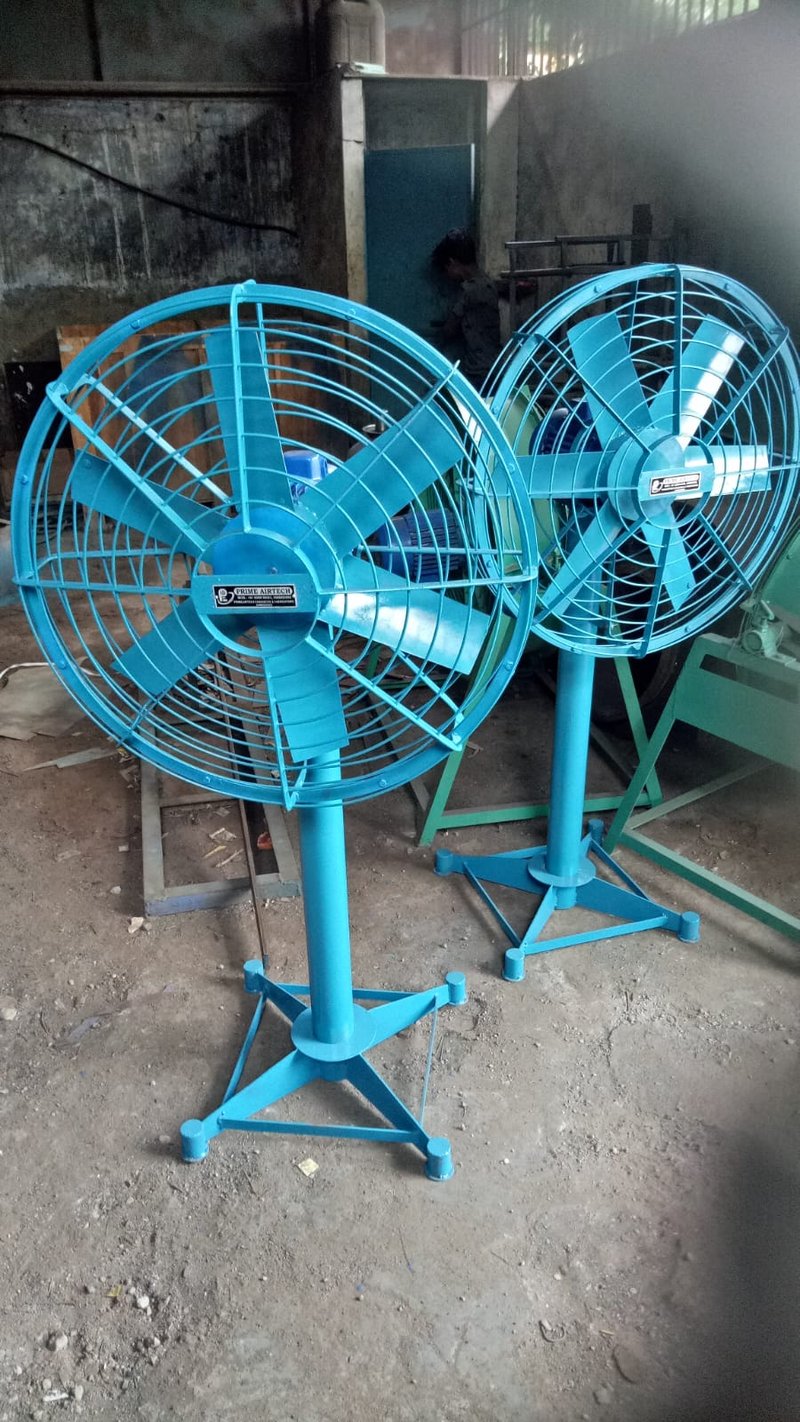
Heat load: Furnaces, molten metal, hot castings radiate massive heat. Foundry ambient often 40-50°C without ventilation (vs 28-35°C outside). Ventilation rate: Typically 20-40 air changes per hour (ACH) for foundry buildings. Higher near furnaces (40-60 ACH), lower in storage areas (10-15 ACH). Calculation example: 50m × 30m × 10m foundry = 15,000 m³ volume. At 30 ACH: 15,000 × 30 = 450,000 m³/hr = 265,000 CFM total ventilation. Ventilation methods: (1) Natural ventilation: Ridge vents, louvers, open wall sections allowing hot air to rise and exhaust naturally (stack effect). Free but limited control, inadequate in calm weather. (2) Mechanical exhaust: Roof exhaust fans (axial or centrifugal) extracting hot air from ceiling (hot air rises accumulating at roof). Wall louvers provide makeup air. Most common approach. (3) Evaporative cooling: Desert coolers or misting systems for worker comfort in extreme climates. Drops temperature 5-10°C through evaporation. (4) Spot cooling: Portable fans directing air at workers in high-heat zones (pouring stations). Cost: Large axial roof exhaust fans 25,000-50,000 CFM capacity cost ₹2-5 lakh each. Foundry needs 6-10 fans = ₹15-40 lakh total. Energy cost: 265,000 CFM exhaust = ~150-200 kW fan power running continuously = ₹75-100 lakh/year electricity at ₹7/kWh. But worker comfort + safety essential—heat stress causes fatalities. Regulatory: Factories Act requires adequate ventilation maintaining tolerable working conditions. Labor inspectors can shut foundries with inadequate ventilation during summer.
Aluminum dust combustibility: Aluminum powder/dust (especially <100 micron) burns explosively when dispersed in air. Energy release: 2Al + 3/2 O2 → Al2O3 + 31 kJ/gram Al. This is 7× more energy than coal dust! Explosion conditions: (1) Fuel: Aluminum dust >40 g/m³ cloud concentration. (2) Oxygen: Air provides 21% O2. (3) Ignition: Spark, hot surface >650°C, static discharge, grinding sparks. (4) Dispersion: Dust cloud vs settled dust (pile doesn't explode). (5) Confinement: Enclosed ductwork, collector, building. Explosion severity: Pmax (maximum pressure) 10-12 bar, Kst 200-400 bar-m/sec (St-2 explosion class—severe). Deflagration velocity 300-600 m/sec. Secondary explosions: Primary explosion disturbs settled dust creating larger dust clouds → secondary explosion often more destructive than primary. Real incidents: Aluminum plants have experienced catastrophic explosions with multiple fatalities. Prevention: (1) Housekeeping: Prevent dust accumulation (>2mm layer over >1 m² considered hazard). Vacuum regularly, never dry sweep or blow with compressed air. (2) Explosion venting: Rupture panels sized to relieve pressure in <100 milliseconds before destructive pressure develops. (3) Explosion suppression: Sensors detect pressure rise, trigger chemical suppressant injection extinguishing flame in <50 milliseconds. (4) Inerting: Nitrogen blanketing reducing O2 below combustion threshold (<10% O2). (5) Spark detection: Infrared sensors detecting hot grinding sparks, auto-extinguishing or diverting. (6) Grounding: All equipment bonded preventing static discharge. (7) Ignition elimination: No smoking, explosion-proof electrical equipment, aluminum or bronze impellers/fans (non-sparking). ATEX compliance: Equipment in aluminum foundries must meet ATEX Zone 21/22 standards. Dust collection mandatory but system design critical for safety.
Cupola furnace: Vertical shaft furnace burning coke (carbon) to melt iron. Charges of iron, coke, and limestone loaded from top, air blown from bottom (tuyeres) burning coke at 1800°C melting iron which trickles down collecting at bottom for tapping. Advantages: Low operating cost (coke cheaper than electricity ₹15-25/kg vs ₹6-8/kWh), high melting rate (10-50 tons/hour possible), can melt continuously for days. Disadvantages: High emissions (CO, particulates, SO2 from coke), limited metallurgical control (carbon pickup from coke), requires skilled operation, declining use due to environmental regulations. Induction furnace: Electromagnetic induction heats metal in crucible. Copper coil carrying high-frequency AC (50-10,000 Hz) induces eddy currents in metal charge causing resistive heating to 1600°C. Advantages: Clean melting (no combustion products), precise temperature/chemistry control, lower emissions (only metal fumes, no combustion), faster heat-up from cold, suitable for small batches or alloy melting. Disadvantages: High electricity cost (furnace efficiency 65-75%, total 550-750 kWh per ton iron = ₹3,300-5,250 at ₹6/kWh vs ₹1,500-2,500 coke), requires reliable power supply, limited to smaller capacities (0.5-25 ton typical). Market trend: India shifting from cupola to induction due to environmental regulations. Gujarat pollution control board restricting new cupola installations. Induction furnaces growing despite higher energy cost. Air handling differences: Cupola requires massive combustion air (3,000-6,000 Nm³/ton iron), large ID fan (50,000-200,000 CFM) handling hot dusty flue gas, spark arrestor, ESP/scrubber for emissions. Induction only needs fume extraction (5,000-15,000 CFM) for metal oxides during melting/charging—simpler, smaller, cleaner system.

Still Have Questions?

Our team is here to help you find the perfect solution for your industrial needs.

Recommended Solutions

Get a Custom Solution

Every facility is unique. Our engineers can design a system tailored to your specific Foundry Industry requirements.

  • Free Site Consultation
  • Custom Engineering
  • Performance Guarantee
Request a Quote

Need immediate assistance?

+91 9099199003