Home Products Axial / Exhaust / Inline Fans Axial Fan / Exhaust Fan / Inline Fan
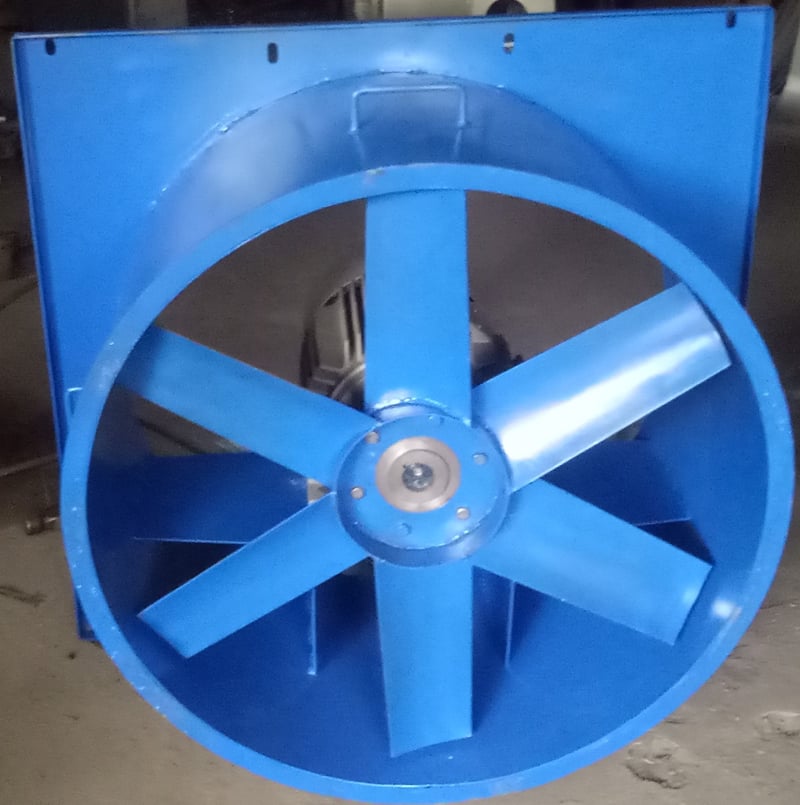
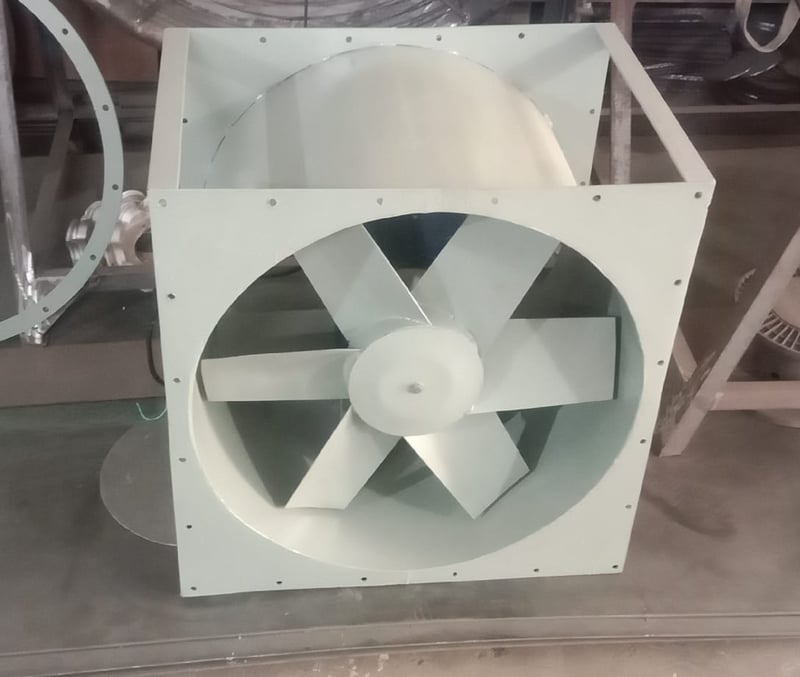
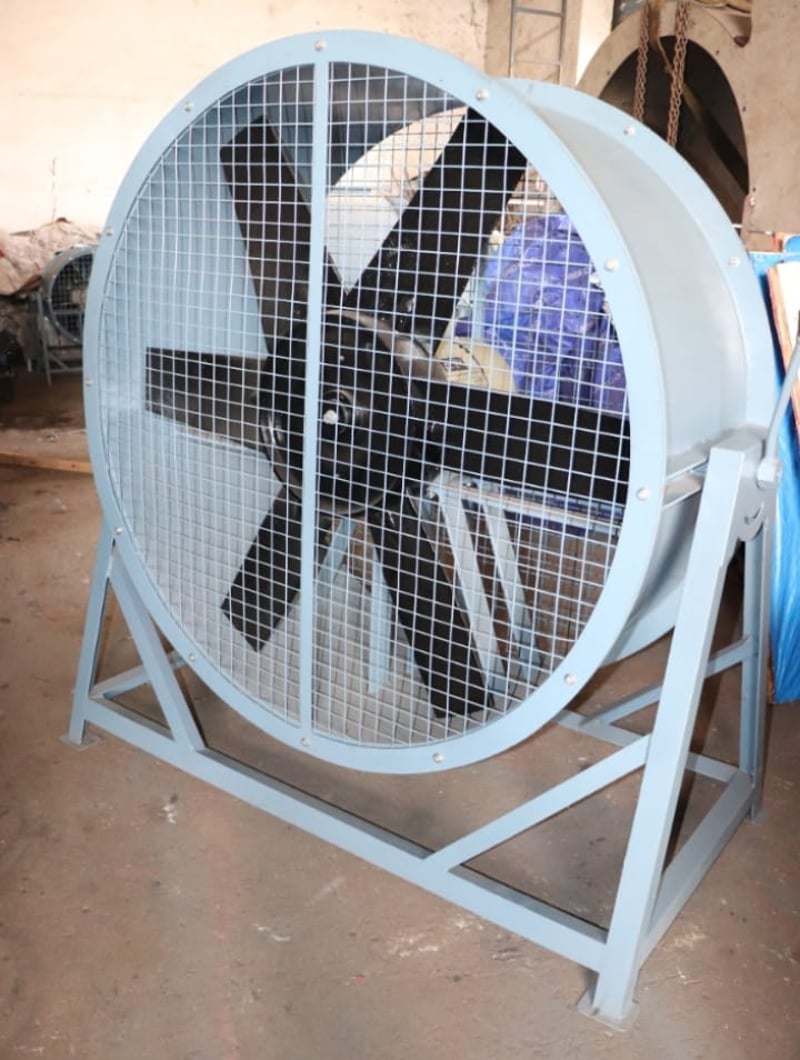
Axial Fan / Exhaust Fan / Inline Fan
Gallery 0
Gallery 1
Gallery 2
Gallery 3
Gallery 4

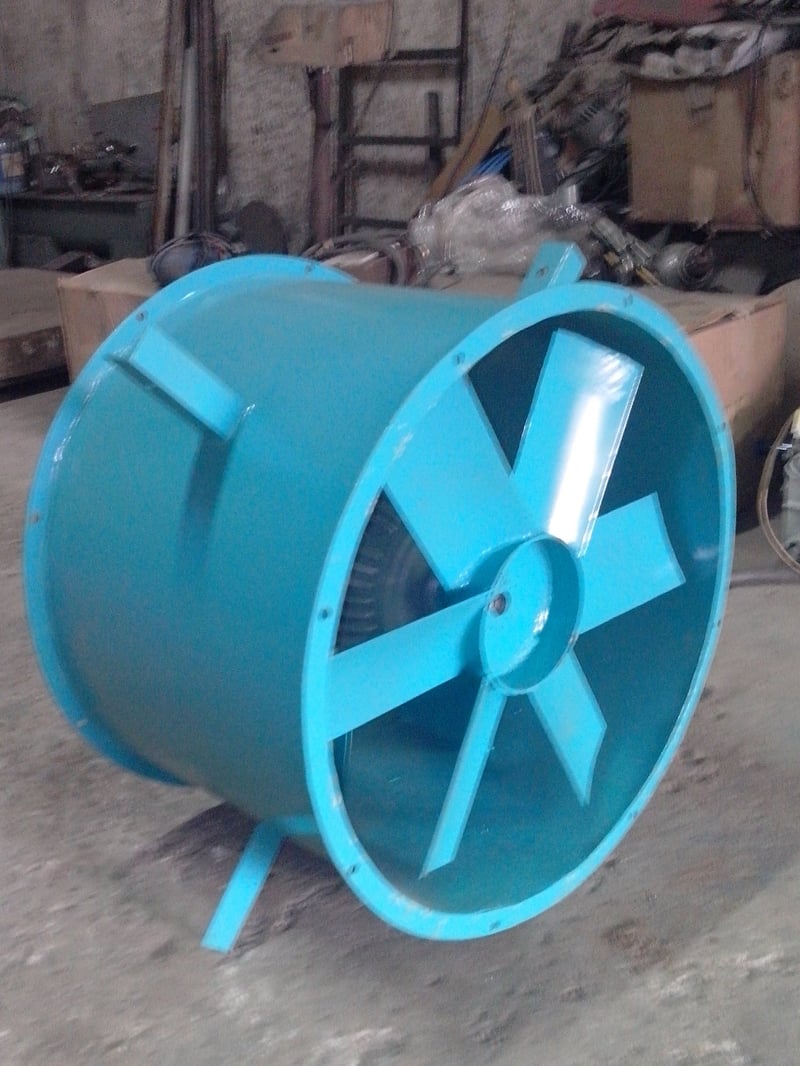
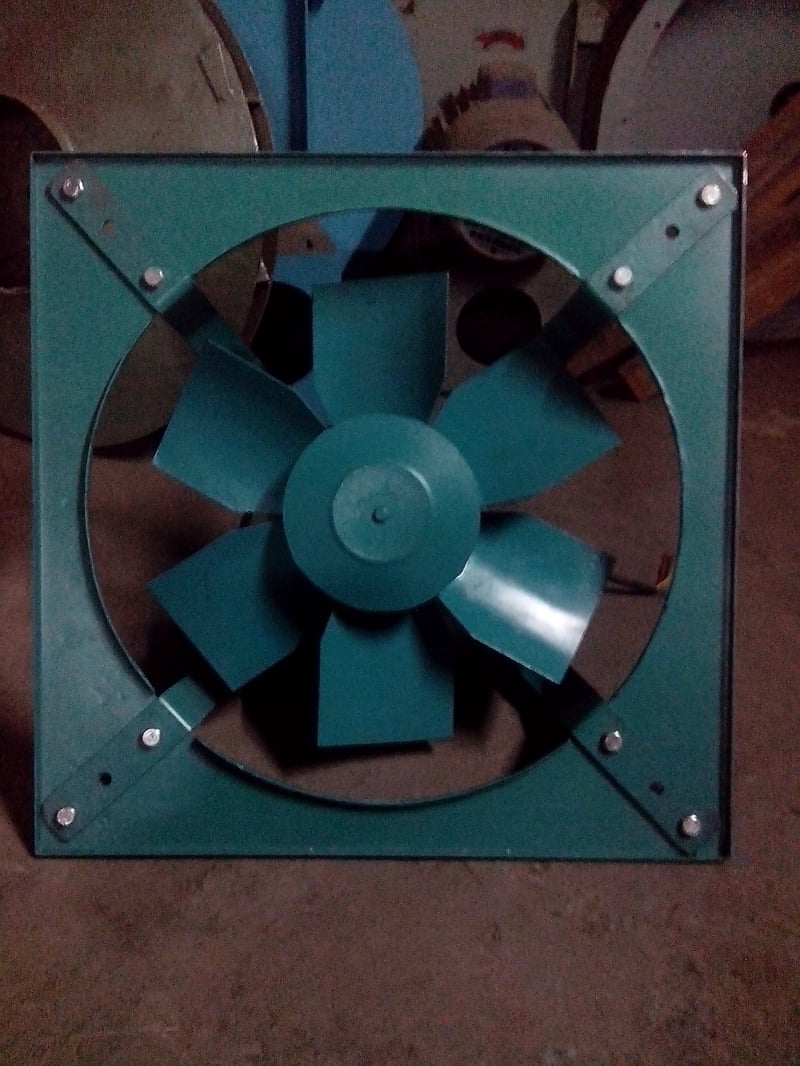
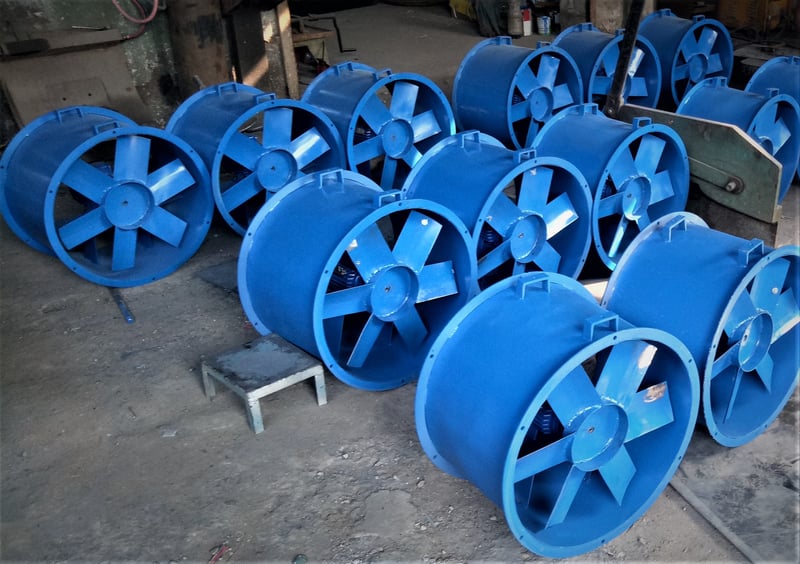
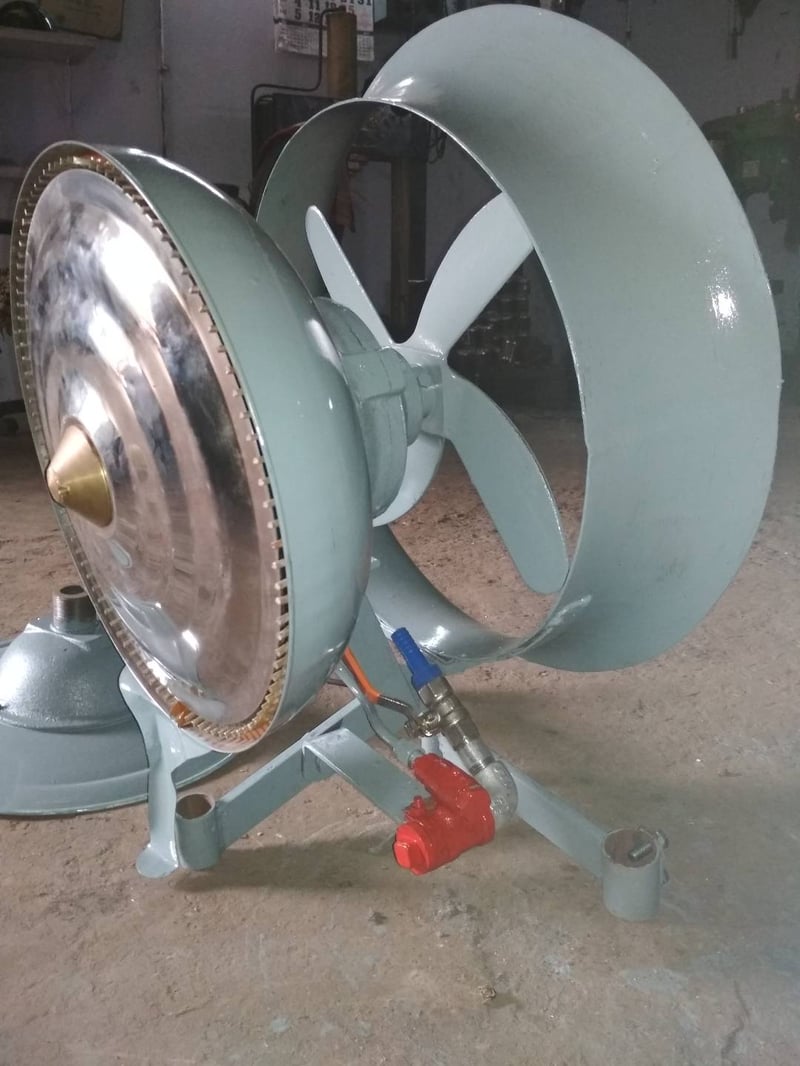
Axial Fan / Exhaust Fan / Inline Fan

Industrial Grade High Efficiency Quality Tested

Standard axial fans for general purpose ventilation and exhaust applications.

Key Features

  • High airflow capacity
  • Low pressure application
  • Easy mounting
  • Energy efficient
  • Low maintenance

Pricing & Quote

Get customized pricing based on your exact specifications. Our team provides competitive quotes within 2-4 hours.

Custom Pricing Quick Response Best Rates

Technical Specifications

Material Stainless Steel / Mild Steel / FRP
Capacity Customizable up to 100,000 CFM
Pressure Up to 1500 mmWG
Temperature Up to 450°C
Drive Type Direct / Belt / Coupling
Efficiency Up to 85%

* Specifications may vary based on custom requirements. Contact our engineering team for precise data.

Industrial Applications

Warehouse Ventilation
Factory Exhaust
Commercial Buildings
General Ventilation

Axial Fan / Exhaust Fan / Inline Fan Price & Cost Information

The price of Axial Fan / Exhaust Fan / Inline Fan varies based on multiple factors including specifications, capacity, materials, and customization requirements. At Primeairtech, we provide competitive pricing tailored to your exact industrial needs.

Factors Affecting Axial Fan / Exhaust Fan / Inline Fan Pricing:

  • Capacity & CFM Rating: Higher airflow capacity requires larger motors and impellers, affecting cost
  • Material of Construction: Mild steel, stainless steel, or FRP options at different price points
  • Pressure Requirements: High-pressure variants require reinforced construction
  • Drive Type: Direct drive, belt drive, or coupling arrangements
  • Special Features: VFD integration, high-temperature tolerance, explosion-proof variants
  • Installation & Commissioning: On-site support and training services

Get Accurate Axial Fan / Exhaust Fan / Inline Fan Price Quote

For the most accurate pricing on Axial Fan / Exhaust Fan / Inline Fan, we recommend contacting our sales team with your specific requirements. We provide detailed quotations with:

  • Competitive market rates guaranteed
  • Detailed cost breakdown included
  • Quick response within 2-4 hours
  • Technical consultation at no extra cost
Frequently Asked Questions

Common Questions About Axial Fan / Exhaust Fan / Inline Fan

Find answers to the most common questions asked by our clients.

Airflow direction: Axial fans move air parallel to shaft axis (straight through), centrifugal fans move air perpendicular to shaft (90° turn). Pressure capability: Axial fans generate 0-150 mmWC (low-medium pressure), centrifugal fans handle 0-2000+ mmWC. CFM efficiency: Axial fans deliver higher CFM per unit size and cost but at lower pressures. Installation: Axial fans mount directly in walls/openings (compact), centrifugal fans need ductwork connections. Applications: Axial for general ventilation with minimal resistance (warehouses, workshops), centrifugal for ducted systems with filters and resistance. Cost: Axial fans 40-60% less expensive for equivalent CFM. Noise: Axial fans typically louder (more blade noise).
Industrial axial fans range from 1,000 CFM to 200,000+ CFM. Small (300-600mm): 1,000-10,000 CFM for localized ventilation, small workshop exhaust. Medium (600-1000mm): 10,000-50,000 CFM for warehouse sections, manufacturing areas, loading docks. Large (1000-2000mm): 50,000-200,000+ CFM for massive warehouses, aircraft hangars, underground parking, tunnels. The key advantage: axial fans move enormous air volumes economically - a 1200mm axial fan delivering 80,000 CFM costs 50-60% less than equivalent CFM centrifugal blower while using 30-40% less power when system resistance is minimal (<50 mmWC).
Use axial fans when: (1) System has minimal resistance (<50 mmWC) - no filters, short ductwork, direct discharge. (2) Need high CFM economically - warehouse ventilation, general air circulation. (3) Direct wall/roof mounting acceptable - loading dock doors, building walls. (4) Noise acceptable - industrial environments. Use centrifugal fans when: (1) System resistance >75 mmWC - bag filters, long ductwork, complex systems. (2) Need quieter operation - office areas, residential proximity. (3) Require ducted connections - cannot mount directly in wall. (4) Handling contaminated air requiring filtration. Example: Warehouse general ventilation = axial fan. Same warehouse dust collection system = centrifugal fan.
Common applications: Warehouse ventilation: Large wall-mounted units for air changes. Workshop exhaust: General fume/heat removal without ducting. Loading dock ventilation: Exhaust vehicle emissions during loading operations. Manufacturing floor cooling: Spot cooling for workers or equipment. Paint booth supply/exhaust: Direct intake/discharge (non-filtered side). Underground parking: CO/exhaust ventilation. Agricultural buildings: Poultry houses, livestock barns, greenhouses. Tunnel ventilation: Construction and permanent installations. Kitchen exhaust: Commercial kitchen general exhaust (not grease-laden hoods). Best for applications needing high volume, low pressure, economical solution without complex ductwork.
Sizing steps: Step 1: Calculate CFM. For room ventilation: CFM = (Length × Width × Height in feet × Air Changes/Hour) ÷ 60. Typical ACH: warehouses 4-8, workshops 10-20, paint areas 20-40. Step 2: Verify minimal resistance. Axial fans work best with <50 mmWC total pressure. If resistance >75 mmWC, consider centrifugal instead. Step 3: Select fan diameter. Use manufacturer tables - typically 300mm = 1,000-3,000 CFM, 600mm = 5,000-15,000 CFM, 900mm = 15,000-40,000 CFM, 1200mm = 40,000-100,000 CFM. Step 4: Choose mounting. Wall, roof, or duct-mounted based on installation. Safety margin: Minimal - axial fans are already economical, over-sizing wastes minimal cost. Our team provides free sizing calculations.
Simple maintenance schedule: Monthly: Visual inspection for blade damage/dirt buildup, check mounting bolts tight, verify shutters (if equipped) operate freely, clean bird guards/screens. Quarterly: Motor bearing lubrication if grease fittings present (2-3 grease gun pumps), belt tension check for belt-driven units, measure motor current versus nameplate. Semi-annually: Blade cleaning (dust/dirt reduces efficiency 10-15%), check belt wear, verify motor insulation resistance. Annually: Bearing replacement for 24/7 operations, complete blade inspection for cracks/damage, motor winding inspection, repainting if corrosion visible. Advantage: Direct-drive axial fans have minimal maintenance - no belts, no coupling, just bearings and motor. Most reliable for continuous operation.
Standard axial fans handle ambient to 60°C, non-corrosive air (MS construction with powder coating). For harsh environments: Corrosive (chemical fumes, coastal salt spray): SS304 or SS316 construction including blades, housing, motor enclosure, fasteners. Cost premium 150-250% but provides 15-20 year life versus 3-5 years for MS in corrosive environment. High temperature (60-150°C): High-temp motor (Class F/H insulation), extended shaft with cooling fins, special bearing grease. Cost premium 50-80%. Very high temp (150-400°C): Usually requires centrifugal design with water-cooled bearings - axial fans impractical beyond 150°C. Explosive atmospheres: Non-sparking aluminum/bronze blades, explosion-proof motor, static bonding. Cost premium 100-150%. Provide exact operating conditions for proper material selection.

Still Have Questions?

Our team is here to help you find the perfect solution for your industrial needs.

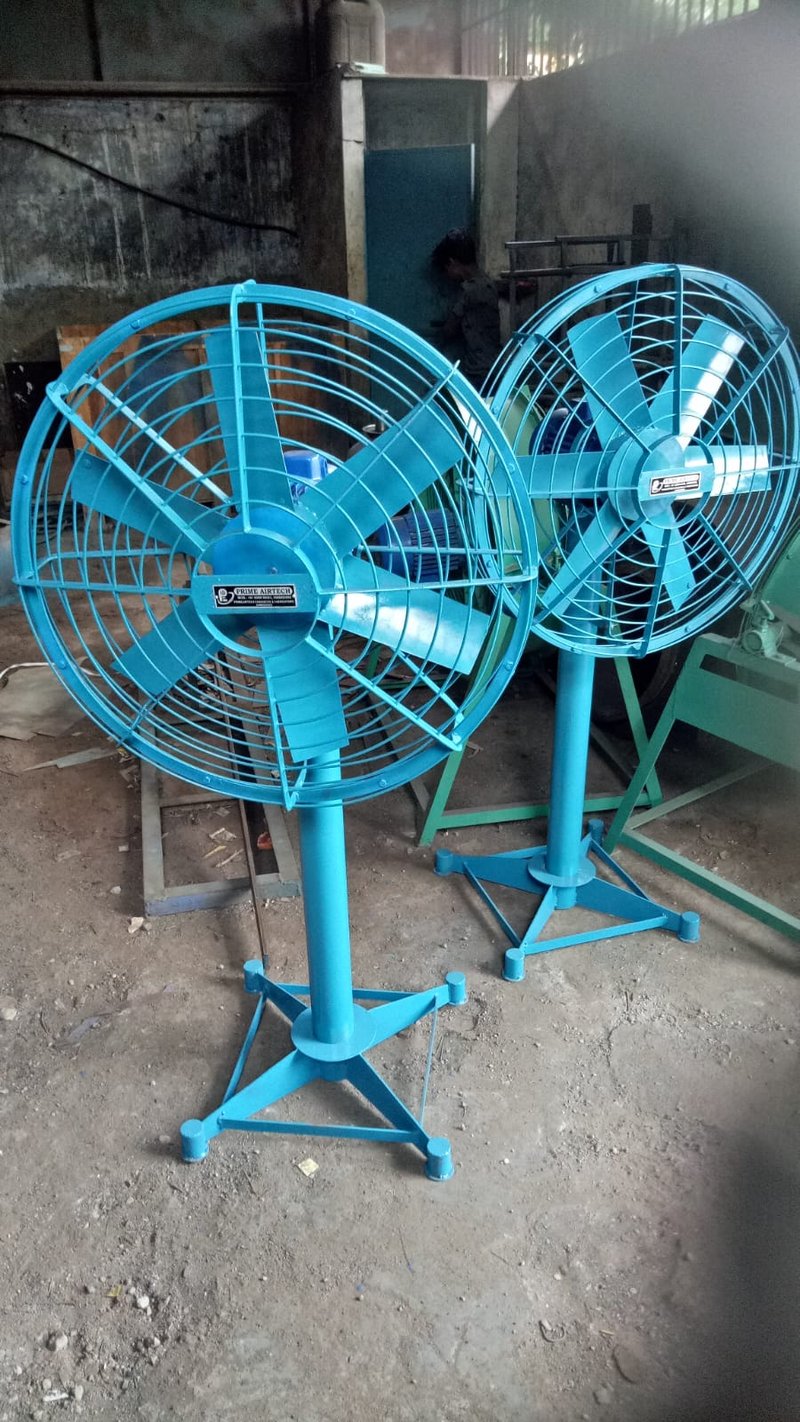
Related Products
Need a Custom Solution?

Our engineering team specializes in customizing Axial Fan / Exhaust Fan / Inline Fan to meet your exact specifications and constraints.

Contact Our Engineers