Home Products Air Pollution Control Systems Multi Cyclone Separators
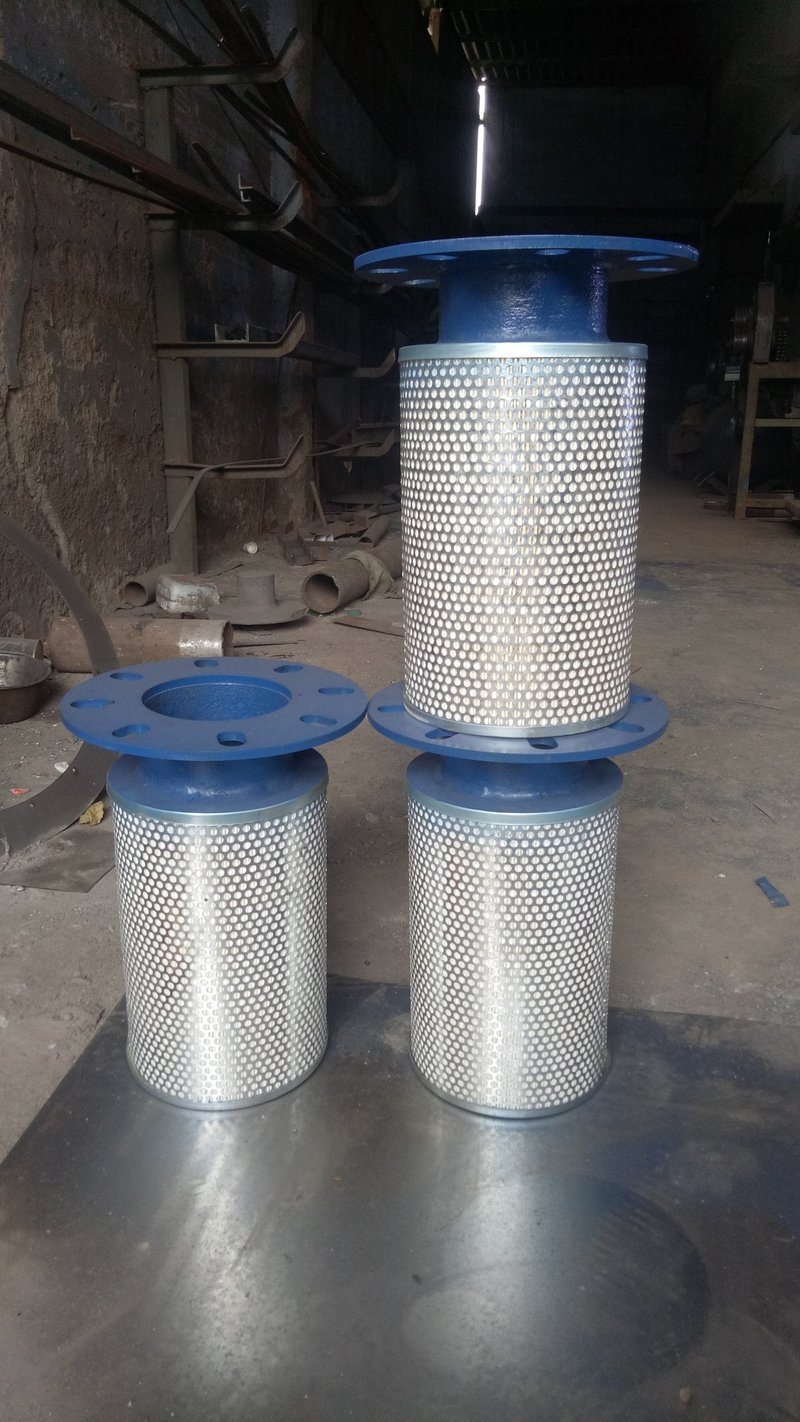
Multi Cyclone Separators
Gallery 0
Gallery 1
Gallery 2

Multi Cyclone Separators

Industrial Grade High Efficiency Quality Tested

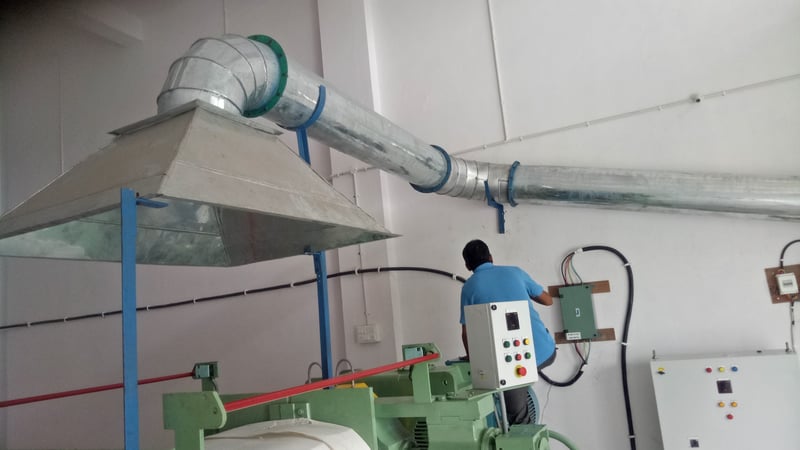
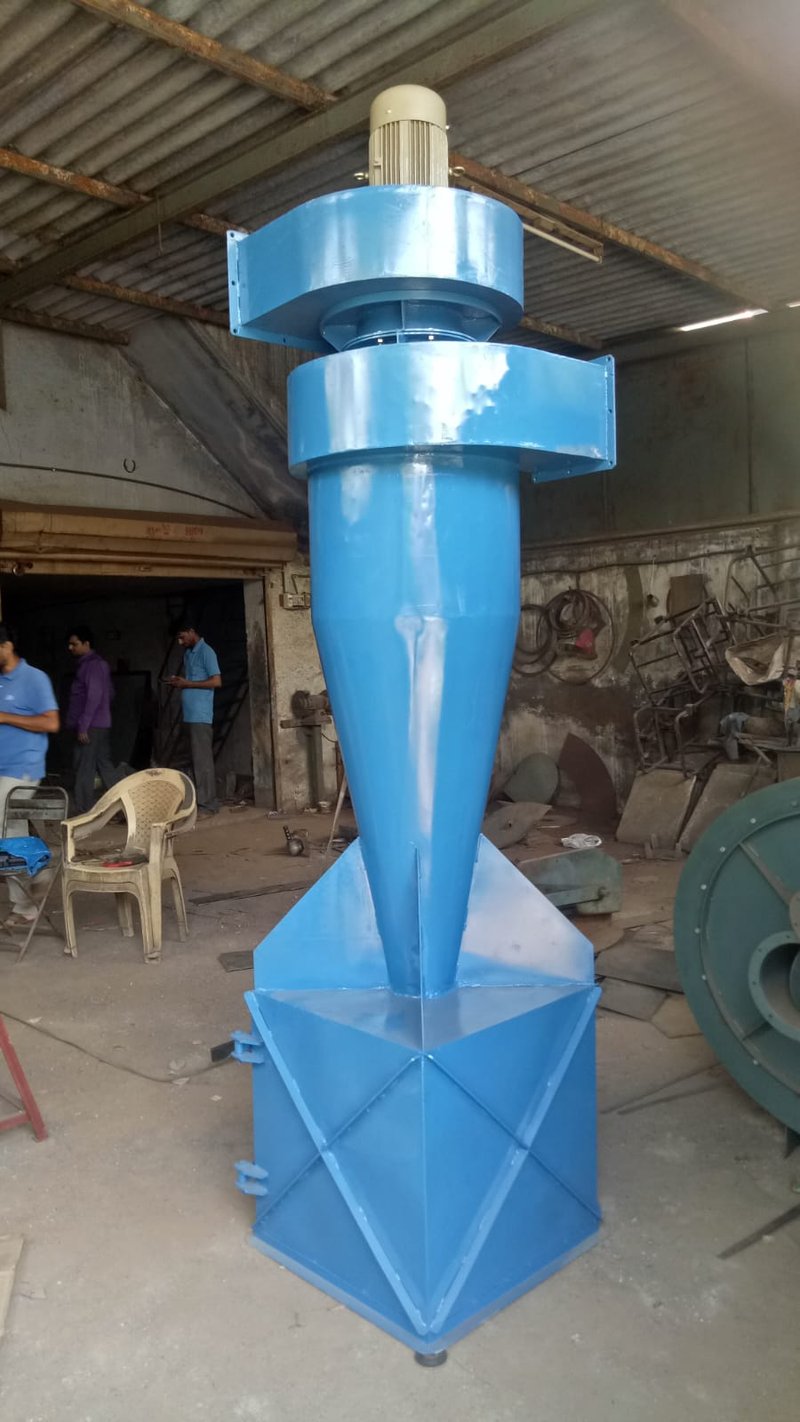
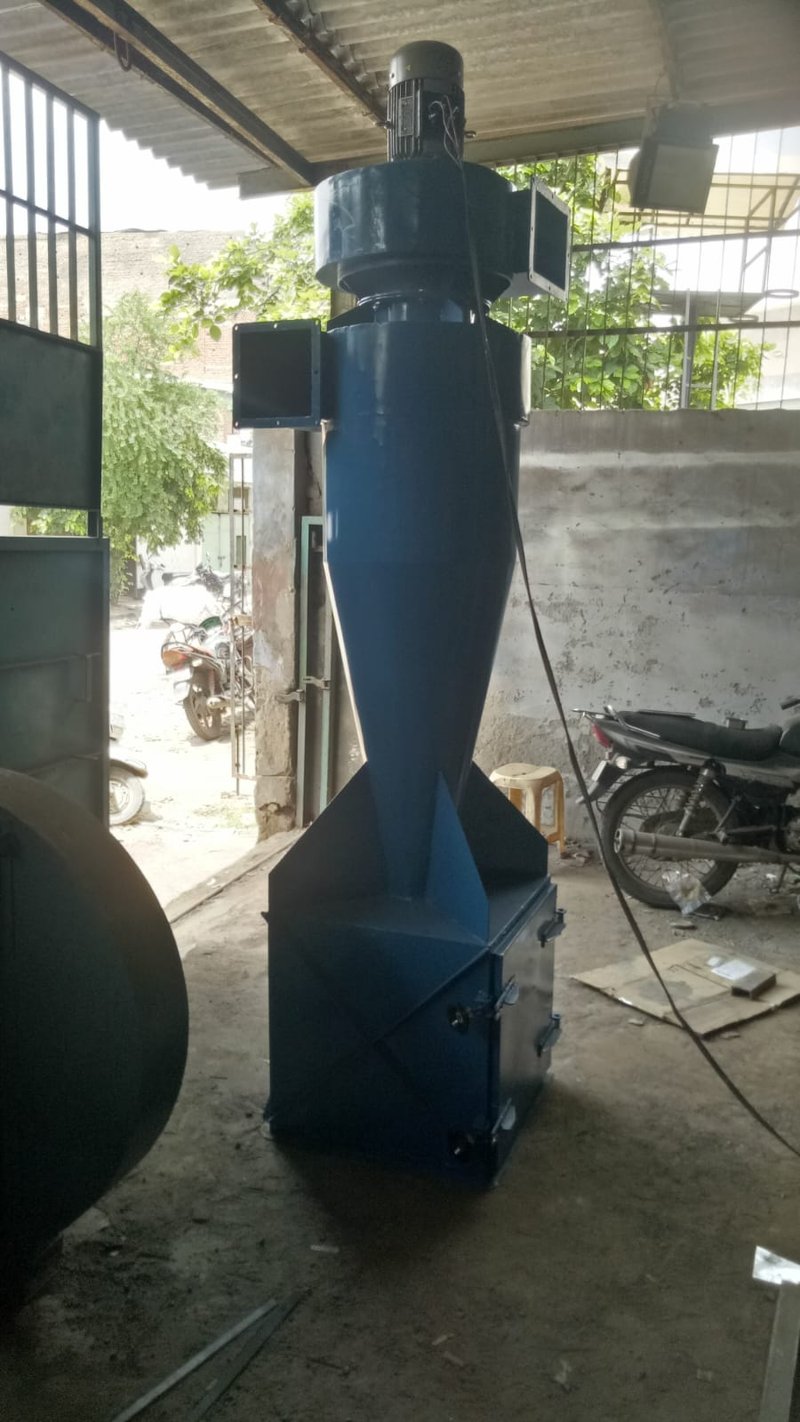
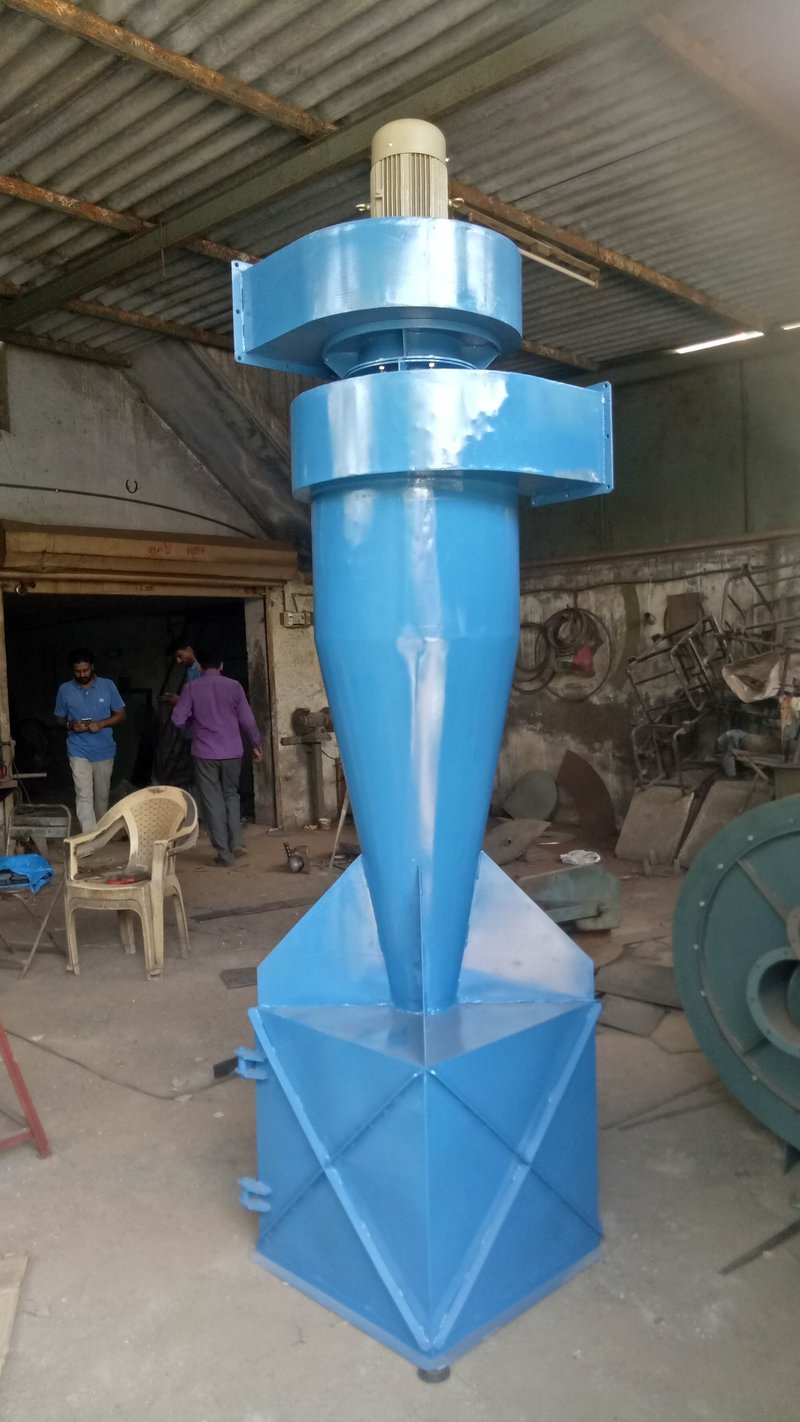
Mechanical dust collectors using centrifugal force to separate dust from air.

Key Features

  • No moving parts
  • Low pressure drop
  • Pre-cleaner utility
  • High efficiency
  • Minimal maintenance
  • Durable construction

Pricing & Quote

Get customized pricing based on your exact specifications. Our team provides competitive quotes within 2-4 hours.

Custom Pricing Quick Response Best Rates

Technical Specifications

Material Stainless Steel / Mild Steel / FRP
Capacity Customizable up to 100,000 CFM
Pressure Up to 1500 mmWG
Temperature Up to 450°C
Drive Type Direct / Belt / Coupling
Efficiency Up to 85%

* Specifications may vary based on custom requirements. Contact our engineering team for precise data.

Industrial Applications

Boiler Flue Gas
Woodworking
Grain Processing
Pre-filtration

Multi Cyclone Separators Price & Cost Information

The price of Multi Cyclone Separators varies based on multiple factors including specifications, capacity, materials, and customization requirements. At Primeairtech, we provide competitive pricing tailored to your exact industrial needs.

Factors Affecting Multi Cyclone Separators Pricing:

  • Capacity & CFM Rating: Higher airflow capacity requires larger motors and impellers, affecting cost
  • Material of Construction: Mild steel, stainless steel, or FRP options at different price points
  • Pressure Requirements: High-pressure variants require reinforced construction
  • Drive Type: Direct drive, belt drive, or coupling arrangements
  • Special Features: VFD integration, high-temperature tolerance, explosion-proof variants
  • Installation & Commissioning: On-site support and training services

Get Accurate Multi Cyclone Separators Price Quote

For the most accurate pricing on Multi Cyclone Separators, we recommend contacting our sales team with your specific requirements. We provide detailed quotations with:

  • Competitive market rates guaranteed
  • Detailed cost breakdown included
  • Quick response within 2-4 hours
  • Technical consultation at no extra cost
Frequently Asked Questions

Common Questions About Multi Cyclone Separators

Find answers to the most common questions asked by our clients.

A multi-cyclone is multiple small-diameter cyclone separators in parallel within single housing. Each cyclone 150-300mm diameter versus single large cyclone 600-2000mm. Working principle: Dusty air enters tangentially creating spiral motion, centrifugal force throws particles to cyclone wall (heavier particles experience higher force), particles spiral down cone to dust hopper, cleaned air spirals up center core and exits. Advantage of multiple small cyclones: Centrifugal force increases with smaller diameter (force inversely proportional to radius), 5-10× stronger force than single large cyclone = better collection of fine particles. Efficiency: Single cyclone: 70-85% for >20 micron, multi-cyclone: 85-95% for >10 micron. Applications: Pre-cleaner before bag filters (reduces bag loading 60-80%), standalone for coarse dust (woodworking, grain handling), post-separator after process equipment.
Usually no - multi-cyclones complement but don't fully replace bag filters in most applications. Why not standalone: Efficiency drops sharply below 10 micron particles - typical multi-cyclone captures only 40-60% of 5 micron dust, essentially 0% below 2 micron. Most regulatory emission limits require >95-99% total efficiency achievable only with bag/cartridge filters. When multi-cyclone sufficient alone: (1) Coarse dust only (sawdust, wood chips, grain, large metal particles >20 micron). (2) No strict emission regulations (remote locations, rural areas). (3) Product recovery more important than air quality (returning valuable material to process). Best practice: Use multi-cyclone as pre-separator removing 70-90% of dust load (mostly coarse fraction), followed by bag filter for final polishing. This extends bag life 2-4× while meeting emission requirements. Cost benefit: Multi-cyclone costs 40-60% less than equivalent bag filter - economical first stage but insufficient as only stage for most applications.
Common problems: (1) Inlet velocity too low: Cyclones require 12-18 m/sec (2,400-3,600 FPM) inlet velocity for proper centrifugal force. If airflow drops (system leaks, wrong blower), efficiency collapses. Solution: verify CFM at design level, check for ductwork leaks. (2) Air leaks into hopper: Any air infiltration from hopper to cyclone body creates upward draft carrying particles back up. Solution: ensure rotary airlock or double-dump gates properly sealed. (3) Cyclone tubes plugged: If dust builds up inside cyclone tubes (very sticky dust, condensation), airflow disrupted. Solution: clean tubes, may need different technology for sticky dust. (4) Wrong particle size distribution: Cyclones designed for coarse dust being used for fine dust. Solution: verify >70% of dust is above 10 micron, add bag filter if high fine content. (5) Overloading: Dust concentration >500 g/m³ exceeds capacity. Solution: reduce dust loading or install larger unit. Test across cyclone: inlet to outlet pressure drop should be 75-150 mmWC; low drop indicates low velocity/poor performance.
Multi-cyclones have minimal maintenance - major advantage versus bag filters: No consumables: No bags/filters to replace = zero replacement parts costs. No moving parts: Pure mechanical separation (versus pulse cleaning, rotary valves in bag collectors) = very high reliability. Maintenance required: (1) Hopper emptying - same as bag filter, monitor level and empty regularly (weekly to monthly depending on dust loading). (2) Clean cyclone tubes annually - dust buildup over years, requires man-entry cleaning. (3) Inspect inlet/outlet connections - check for air leaks at gaskets/seals. (4) Blower maintenance - standard (bearings, motor) same as any system. Lifespan: 20-30 years with minimal maintenance (MS construction with periodic painting), 30-40+ years if SS construction. Operating cost: Only blower power - no compressed air (versus bag filters), no water (versus scrubbers), no consumables. Limitation: Can't adjust efficiency - performance is fixed by design unlike bag filters where you can upgrade filter media.
Hot dust: Excellent for high-temperature applications up to 400-500°C with proper materials. Material selection: Standard MS construction handles <250°C, special high-temp steel or refractory lining for higher temperatures. No filter bags to burn/melt (bag filters limited to 200-260°C even with special fabrics). Applications: Foundry cupola exhaust, kiln exhaust pre-cleaning, hot metal grinding, dryer exhaust. Wet/humid dust: Generally handles well if dust remains granular. Problems: If moisture causes dust to become sticky/paste-like, adheres to cyclone walls disrupting airflow. Solutions: Elevated temperature operation (evaporates moisture before collection), special non-stick coatings on interior, frequent cleanout schedules. Condensation: If gas temperature drops below dew point inside cyclone, condensed water mixes with dust creating sludge - very difficult to remove. Prevent by insulating cyclone housing or maintaining elevated operating temperature. Advantage: Unlike bag filters which fail completely when wet, cyclones degrade gradually allowing continued operation until maintenance.

Still Have Questions?

Our team is here to help you find the perfect solution for your industrial needs.

Related Products
Need a Custom Solution?

Our engineering team specializes in customizing Multi Cyclone Separators to meet your exact specifications and constraints.

Contact Our Engineers