Home Products Air Pollution Control Systems Wet Scrubber / Gas Scrubber
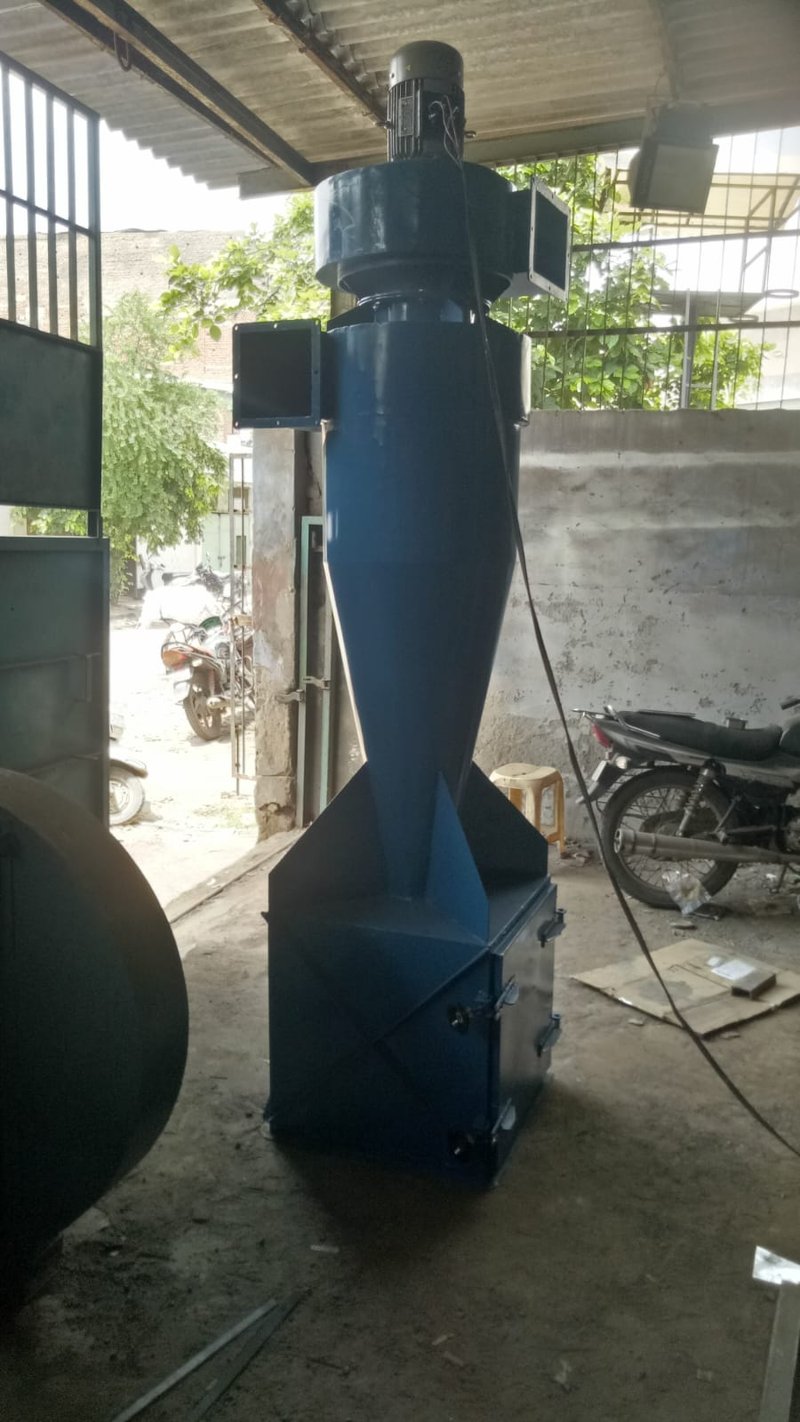
Wet Scrubber / Gas Scrubber
Gallery 0
Gallery 1

Wet Scrubber / Gas Scrubber

Industrial Grade High Efficiency Quality Tested

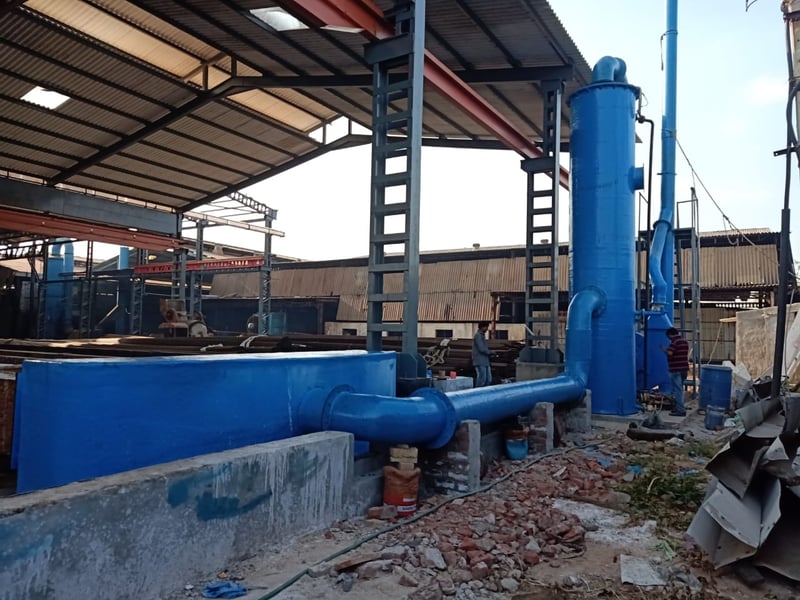
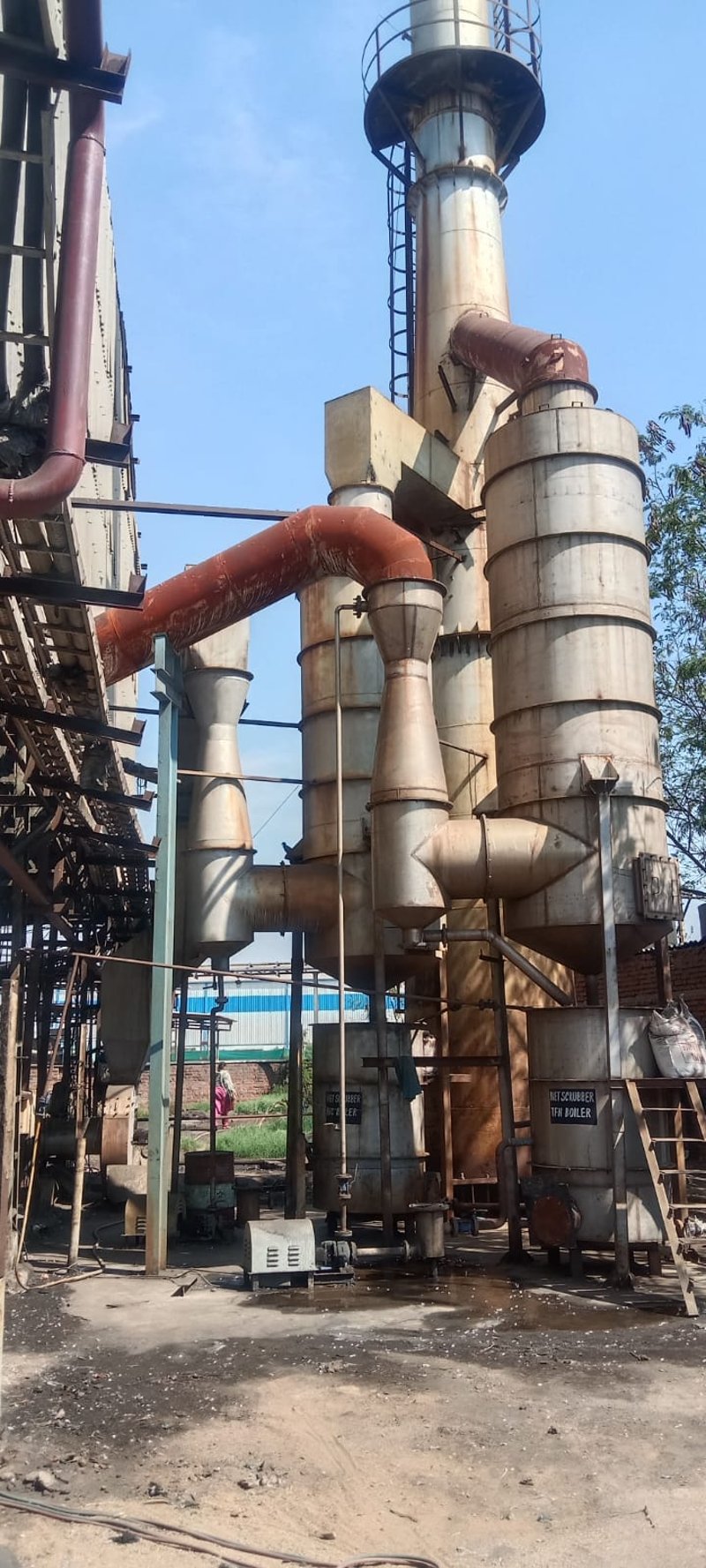
Devices that use liquid to remove particulate matter or gases from an exhaust stream.

Key Features

  • Gas absorption
  • Particulate removal
  • Corrosion resistant materials
  • Efficient cooling
  • Low maintenance
  • Odor control

Pricing & Quote

Get customized pricing based on your exact specifications. Our team provides competitive quotes within 2-4 hours.

Custom Pricing Quick Response Best Rates

Technical Specifications

Material Stainless Steel / Mild Steel / FRP
Capacity Customizable up to 100,000 CFM
Pressure Up to 1500 mmWG
Temperature Up to 450°C
Drive Type Direct / Belt / Coupling
Efficiency Up to 85%

* Specifications may vary based on custom requirements. Contact our engineering team for precise data.

Industrial Applications

Chemical Plants
Acid Fume Control
Odor Control
Emissions Treatment

Wet Scrubber / Gas Scrubber Price & Cost Information

The price of Wet Scrubber / Gas Scrubber varies based on multiple factors including specifications, capacity, materials, and customization requirements. At Primeairtech, we provide competitive pricing tailored to your exact industrial needs.

Factors Affecting Wet Scrubber / Gas Scrubber Pricing:

  • Capacity & CFM Rating: Higher airflow capacity requires larger motors and impellers, affecting cost
  • Material of Construction: Mild steel, stainless steel, or FRP options at different price points
  • Pressure Requirements: High-pressure variants require reinforced construction
  • Drive Type: Direct drive, belt drive, or coupling arrangements
  • Special Features: VFD integration, high-temperature tolerance, explosion-proof variants
  • Installation & Commissioning: On-site support and training services

Get Accurate Wet Scrubber / Gas Scrubber Price Quote

For the most accurate pricing on Wet Scrubber / Gas Scrubber, we recommend contacting our sales team with your specific requirements. We provide detailed quotations with:

  • Competitive market rates guaranteed
  • Detailed cost breakdown included
  • Quick response within 2-4 hours
  • Technical consultation at no extra cost
Frequently Asked Questions

Common Questions About Wet Scrubber / Gas Scrubber

Find answers to the most common questions asked by our clients.

Wet scrubbers use water spray to capture airborne pollutants. Working principle: Contaminated air enters scrubber chamber, high-pressure water nozzles (20-80 PSI) create fine mist, pollutant particles/gases contact water droplets and transfer to liquid phase, cleaned air exits top, dirty water collects in sump for treatment/disposal. Use wet scrubbers when: (1) Handling combustible dust (aluminum, magnesium, titanium) - water eliminates explosion risk. (2) Hot/humid exhaust (>80°C, >70% RH) where bag filters would plug. (3) Sticky dust that clogs dry filters. (4) Gaseous pollutants (acid fumes, ammonia, chlorine) requiring chemical absorption - add caustic/acid to water. (5) Very fine particles (<0.5 micron) if using high-energy venturi scrubber. Disadvantages: Wastewater requiring treatment/disposal, higher operating cost (water + pump power), not suitable for freezing climates (outdoor installations).
Spray Tower: Simplest design, water sprays downward, air flows upward, 80-90% efficiency, low pressure drop (25-75 mmWC), best for gases/vapors, less effective for fine particles. Venturi Scrubber: High-velocity airstream (15,000-20,000 FPM) atomizes water injected at venturi throat, 95-99% efficiency even for sub-micron particles, high pressure drop (500-1500 mmWC) = high energy cost, compact size. Packed Bed Scrubber: Air flows through tower filled with packing media (plastic balls/structured packing), water trickles down over packing creating large contact area, excellent for gas absorption (HCl, SO2, NH3), 95-99% gas removal, moderate pressure drop (150-350 mmWC). Cyclonic Scrubber: Combines cyclone and scrubber - centrifugal force + water spray, compact design, 90-95% efficiency. Choice depends on: Pollutant type (particle vs gas), required efficiency, available pressure drop, space constraints, and water availability.
Water consumption varies by scrubber type and application: Spray Tower: 2-8 liters/m³ air treated (higher ratio = better efficiency). Example: 10,000 CFM system using 4 L/m³ = ~1,200 liters/hour. Venturi Scrubber: 0.5-2 L/m³ (high energy does collection work, less water needed). Same 10,000 CFM = ~300-600 L/hr. Packed Bed: 1-4 L/m³ depending on gas concentration. Water recirculation: Most systems recirculate water from sump (reduces consumption 70-90%), makeup water added to replace losses from evaporation and blowdown. Wastewater volume: 10-30% of total recirculation needs disposal (concentration of dissolved/suspended solids). Treatment required: pH adjustment, settling, filtration depend on pollutant type. Water cost: Direct cost ₹20-50/m³ + disposal ₹50-200/m³ depending on pollutant. Annual water cost can be ₹1-5 lakhs for typical industrial scrubber.
Outdoor installations: Challenging in climates with freezing temperatures. Problems: Water freezing in lines, nozzles, sump causes system failure and potential equipment damage. Ice formation on eliminator mist pads blocks airflow. Standing water in sump freezes solid overnight. Solutions for cold climates: (1) Indoor installation: Best option - install scrubber inside heated building. (2) Enclosure with heating: Insulated enclosure around scrubber, electric/steam heating maintaining above-freezing temp. (3) Heat traced water lines: Electric heat tracing on all water piping with insulation. (4) Continuous operation: Never shut down in winter - flowing water doesn't freeze. Add recirculation pump to prevent sump freezing. (5) Chemical additives: Glycol antifreeze in water (expensive, complicates wastewater treatment). Recommendation: For areas with regular freezing temperatures, dry dust collectors (bag/cartridge) usually more reliable and economical than wet scrubbers unless wet scrubbing specifically required for safety (combustible dust).
Maintenance more intensive than dry collectors: Daily: Check water flow and pressure (nozzles plug easily), inspect sump level (automatic level control functioning), verify no unusual odors (biological growth). Weekly: Clean/check spray nozzles for plugging, monitor pH if treating acidic/basic gases, inspect eliminator pads for buildup, check pump operation/seal condition. Monthly: Clean sump thoroughly (sediment accumulation), inspect/clean packing media if packed bed type, check all piping for corrosion/leaks, blower inspection. Quarterly: Replace spray nozzles (wear from abrasive particles), inspect structural integrity for corrosion (FRP body, SS internals required for most applications), test emergency overflow. Key challenge: Biological growth in recirculated water - algae/bacteria create odors, plug nozzles. Biocide addition (₹10,000-30,000/year) or UV treatment needed. Corrosion more severe than dry systems - scrubber life 10-15 years versus 20-25 for dry collectors with proper material selection.

Still Have Questions?

Our team is here to help you find the perfect solution for your industrial needs.

Related Products
Need a Custom Solution?

Our engineering team specializes in customizing Wet Scrubber / Gas Scrubber to meet your exact specifications and constraints.

Contact Our Engineers