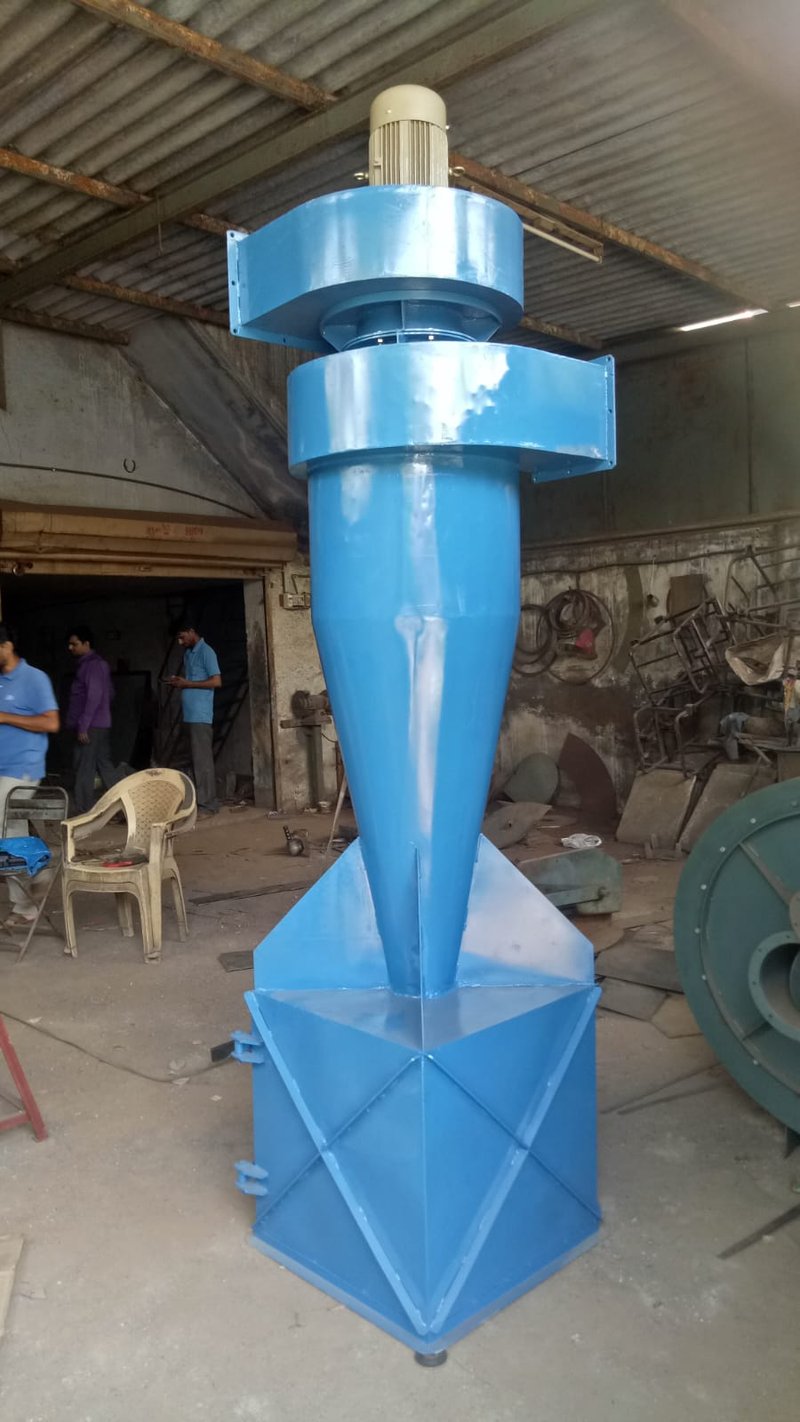
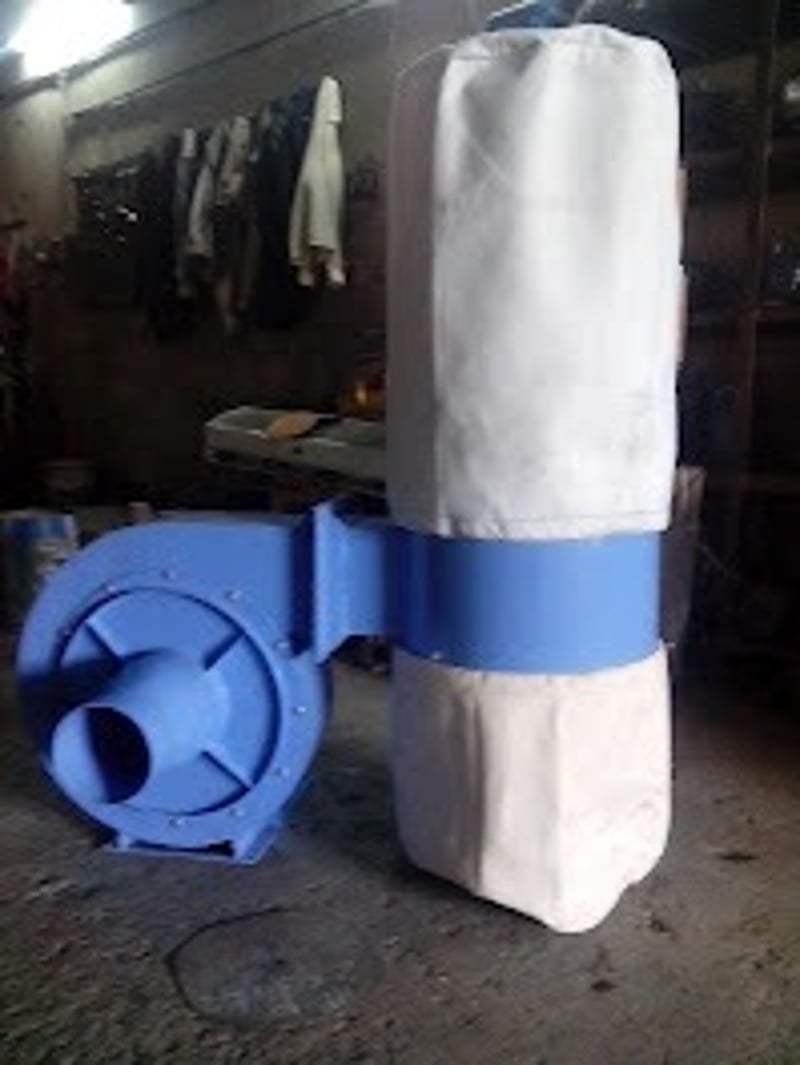
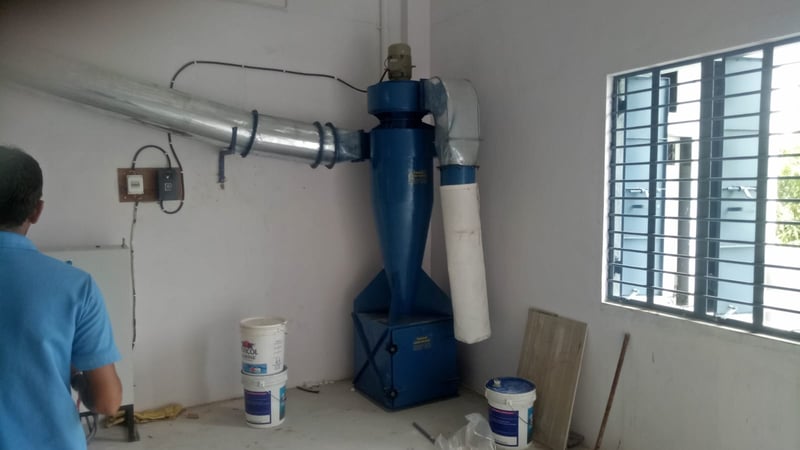
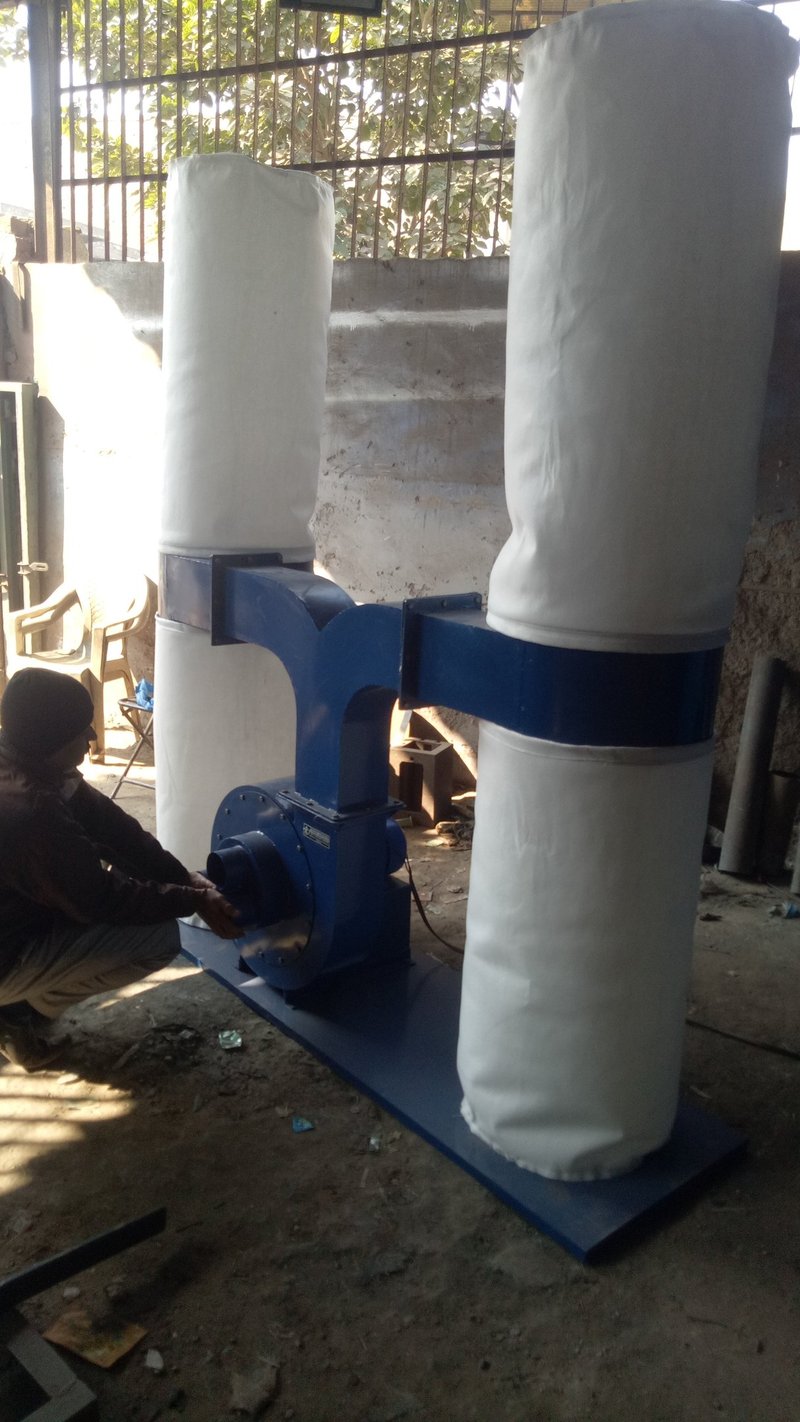
Home Products Air Pollution Control Systems Bag Filter / Pulse Jet Bag Filter
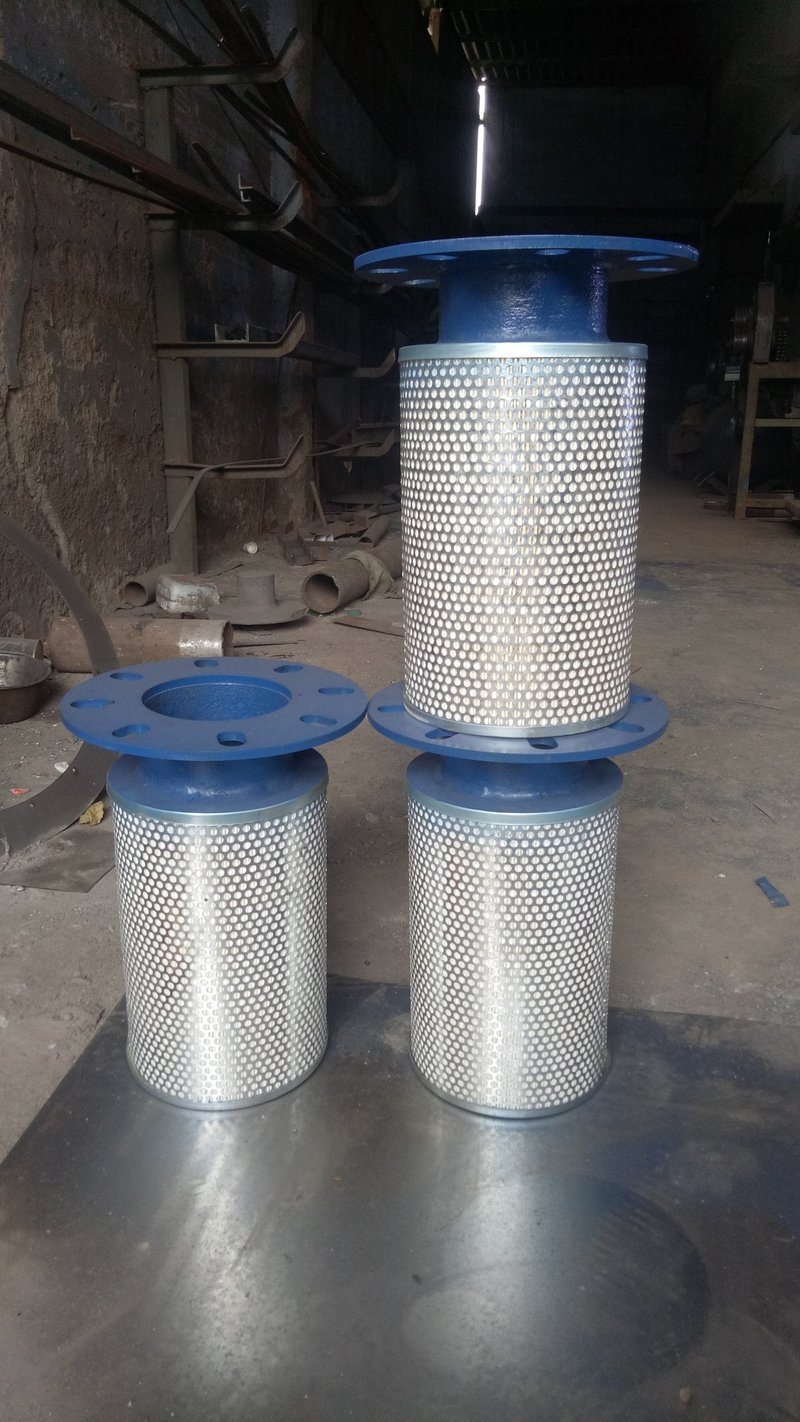
Bag Filter / Pulse Jet Bag Filter
Gallery 0
Gallery 1
Gallery 2
Gallery 3
Gallery 4
Gallery 5

Bag Filter / Pulse Jet Bag Filter

Industrial Grade High Efficiency Quality Tested

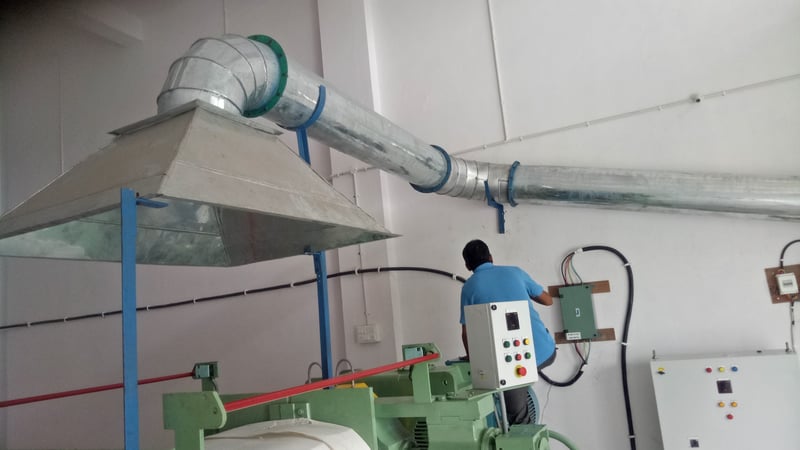
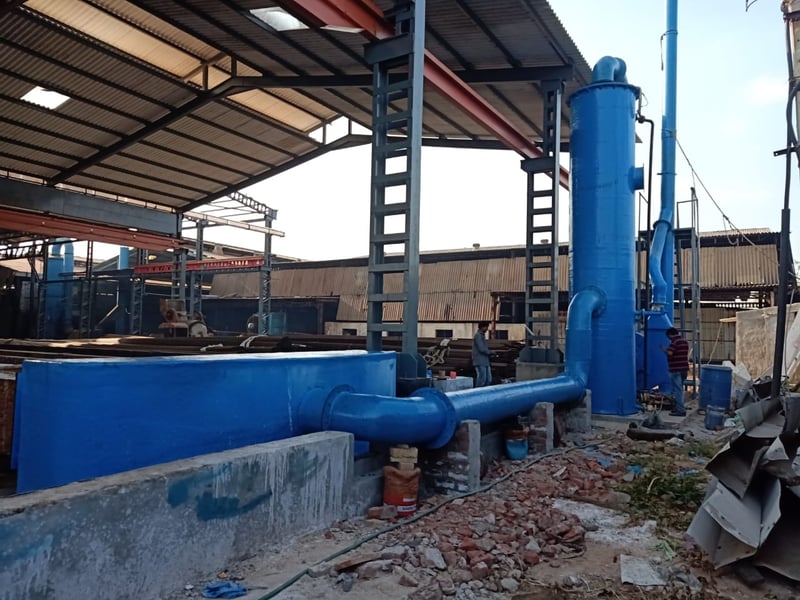
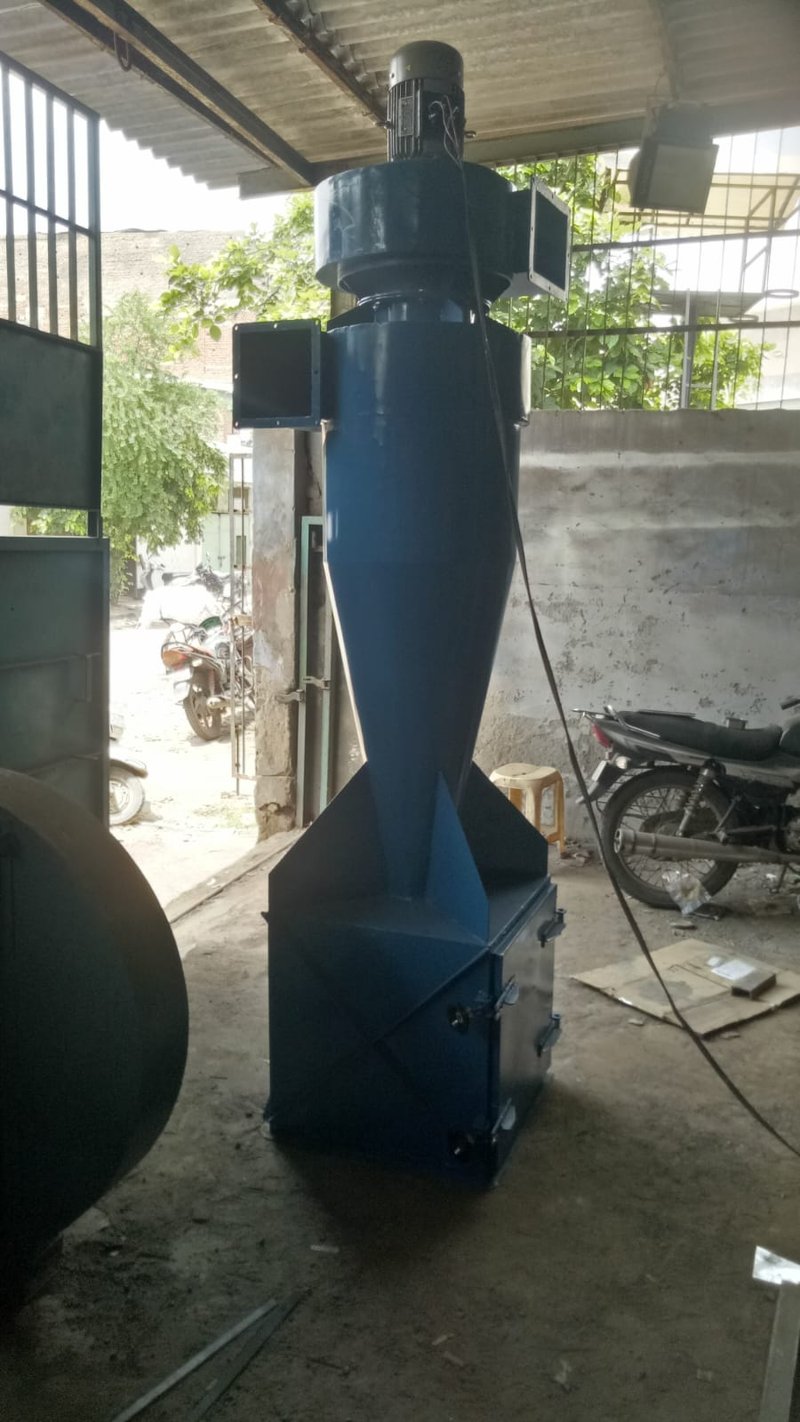
High-efficiency dust collection systems using fabric bags and pulse jet cleaning technology.

Key Features

  • Continuous operation
  • Automatic cleaning
  • High collection efficiency
  • 99.9% filtration
  • Modular design
  • Energy efficient

Pricing & Quote

Get customized pricing based on your exact specifications. Our team provides competitive quotes within 2-4 hours.

Custom Pricing Quick Response Best Rates

Technical Specifications

Material Stainless Steel / Mild Steel / FRP
Capacity Customizable up to 100,000 CFM
Pressure Up to 1500 mmWG
Temperature Up to 450°C
Drive Type Direct / Belt / Coupling
Efficiency Up to 85%

* Specifications may vary based on custom requirements. Contact our engineering team for precise data.

Industrial Applications

Cement Plants
Steel Mills
Chemical Processing
Mining Operations

Bag Filter / Pulse Jet Bag Filter Price & Cost Information

The price of Bag Filter / Pulse Jet Bag Filter varies based on multiple factors including specifications, capacity, materials, and customization requirements. At Primeairtech, we provide competitive pricing tailored to your exact industrial needs.

Factors Affecting Bag Filter / Pulse Jet Bag Filter Pricing:

  • Capacity & CFM Rating: Higher airflow capacity requires larger motors and impellers, affecting cost
  • Material of Construction: Mild steel, stainless steel, or FRP options at different price points
  • Pressure Requirements: High-pressure variants require reinforced construction
  • Drive Type: Direct drive, belt drive, or coupling arrangements
  • Special Features: VFD integration, high-temperature tolerance, explosion-proof variants
  • Installation & Commissioning: On-site support and training services

Get Accurate Bag Filter / Pulse Jet Bag Filter Price Quote

For the most accurate pricing on Bag Filter / Pulse Jet Bag Filter, we recommend contacting our sales team with your specific requirements. We provide detailed quotations with:

  • Competitive market rates guaranteed
  • Detailed cost breakdown included
  • Quick response within 2-4 hours
  • Technical consultation at no extra cost
Frequently Asked Questions

Common Questions About Bag Filter / Pulse Jet Bag Filter

Find answers to the most common questions asked by our clients.

Operating principle: (1) Filtration cycle: Dusty air enters plenum chamber, passes through filter bags (outside to inside), dust collects on bag exterior forming dust cake, clean air exits through bag interior to clean air plenum and exhausts via blower. (2) Cleaning cycle: Compressed air pulse (80-100 PSI, 0.1 second duration) shoots down bag interior, creating shockwave that flexes bag fabric outward. This dislodges dust cake which falls into hopper. (3) Pulse sequence: Automated sequential cleaning - only 5-10% of bags cleaned at a time to maintain airflow. Cleaning triggered by differential pressure (typically 125-175 mmWC) or timer. Efficiency: 99.5-99.9% for particles >0.5 micron. Advantage over shaker/reverse-air: Online cleaning (no shutdown needed), smaller footprint, lower pressure drop.
Polyester: Most common, temp <135°C, cost-effective (₹800-1,500/bag), resistant to most acids, good for general applications. Polypropylene: Excellent chemical resistance, temp <90°C, ideal for chemical/pharmaceutical applications with corrosive fumes. Aramid (Nomex): High temp 180-200°C, excellent for hot gas filtration (asphalt plants, dryers), cost 3-4× polyester. PTFE (Teflon): Temp 240-260°C, chemical resistant, very low surface energy (dust doesn't stick), premium cost 5-7× polyester, used pharmaceutical/food where hygiene critical. Fiberglass: Temp 260-280°C, brittle (requires gentle handling), cement plants, high-temp exhaust. Selection factors: Operating temperature (most critical), chemical exposure, moisture level, abrasiveness, required filtration efficiency. We provide bag material selection consultation based on your specific dust and gas analysis.
Common causes in order of likelihood: (1) Bags blinding: Dust particles embedding in fabric (not just sitting on surface) - caused by oils/moisture in air, sticky dust, or too-fine particles. Solution: change bag material, add pre-filtration, improve pulse cleaning. (2) Inadequate pulse cleaning: Low compressor pressure (<80 PSI), pulse valves failing, timer settings too long between cleanings. Solution: verify compressed air system, test pulse valves, shorten cleaning intervals. (3) Excessive dust loading: CFM too high for filter area (air-to-cloth ratio >6:1), too many machines on one collector. Solution: reduce airflow or add filter bags. (4) Bag damage: Holes allowing dust bypass and re-collection. Solution: inspect bags, replace damaged. (5) Hopper not emptying: Dust re-entraining from overfull hopper. Solution: empty more frequently, check rotary valve. Normal operating pressure: 75-150 mmWC. Replace bags when exceeds 200 mmWC consistently.
Yes, with proper safety features: Explosion venting: Relief panels (explosion doors) on collector housing - rupture before housing fails, directing explosion upward safely. Size per NFPA standards based on collector volume. Spark detection/suppression: Sensors in inlet duct detect sparks, trigger water spray or isolation damper before sparks enter hopper. Essential for woodworking, metalworking. Grounding/bonding: All components electrically bonded, proper grounding prevents static buildup. Bags with conductive threads. Inert gas atmosphere: Nitrogen purge for highly combustible dust (aluminum, magnesium). Continuous monitoring: Temperature sensors in hopper detect smoldering, trigger alarm/suppression. Regular cleaning: No dust accumulation outside filters (fuel for secondary explosion). Combustible dust examples: wood dust, metal powders, grain dust, sugar/flour, coal dust, certain plastics. Critical: NFPA 652/654 compliance mandatory - improper design is life-safety violation.
Compressed air consumption depends on size and cleaning frequency: Small collector (10-20 bags): 1-2 CFM average at 90 PSI, periodic pulses totaling 30-60 seconds/hour. Medium collector (40-100 bags): 3-8 CFM average, 60-120 seconds total pulse time/hour. Large collector (100-300 bags): 8-20 CFM average, 2-5 minutes total pulse time/hour. Cost: Compressed air expensive - typically ₹0.30-0.50 per m³ generated. Annual air cost can be ₹50,000-2,00,000 for large collectors. Optimization: Use minimum effective pulse pressure (80-90 PSI instead of 100+), pulse on-demand (differential pressure trigger) vs timer, regularly maintain pulse valves (leaks waste air), properly size tanks (minimum 10× pulse volume to prevent pressure drop). Compressor sizing: Dedicated compressor not usually needed - most facilities have plant air. Require 100-200 liter receiver tank near collector to handle pulse surge demand.

Still Have Questions?

Our team is here to help you find the perfect solution for your industrial needs.

Related Products
Need a Custom Solution?

Our engineering team specializes in customizing Bag Filter / Pulse Jet Bag Filter to meet your exact specifications and constraints.

Contact Our Engineers