Home Products Air Pollution Control Systems Furnace Fume Extraction System
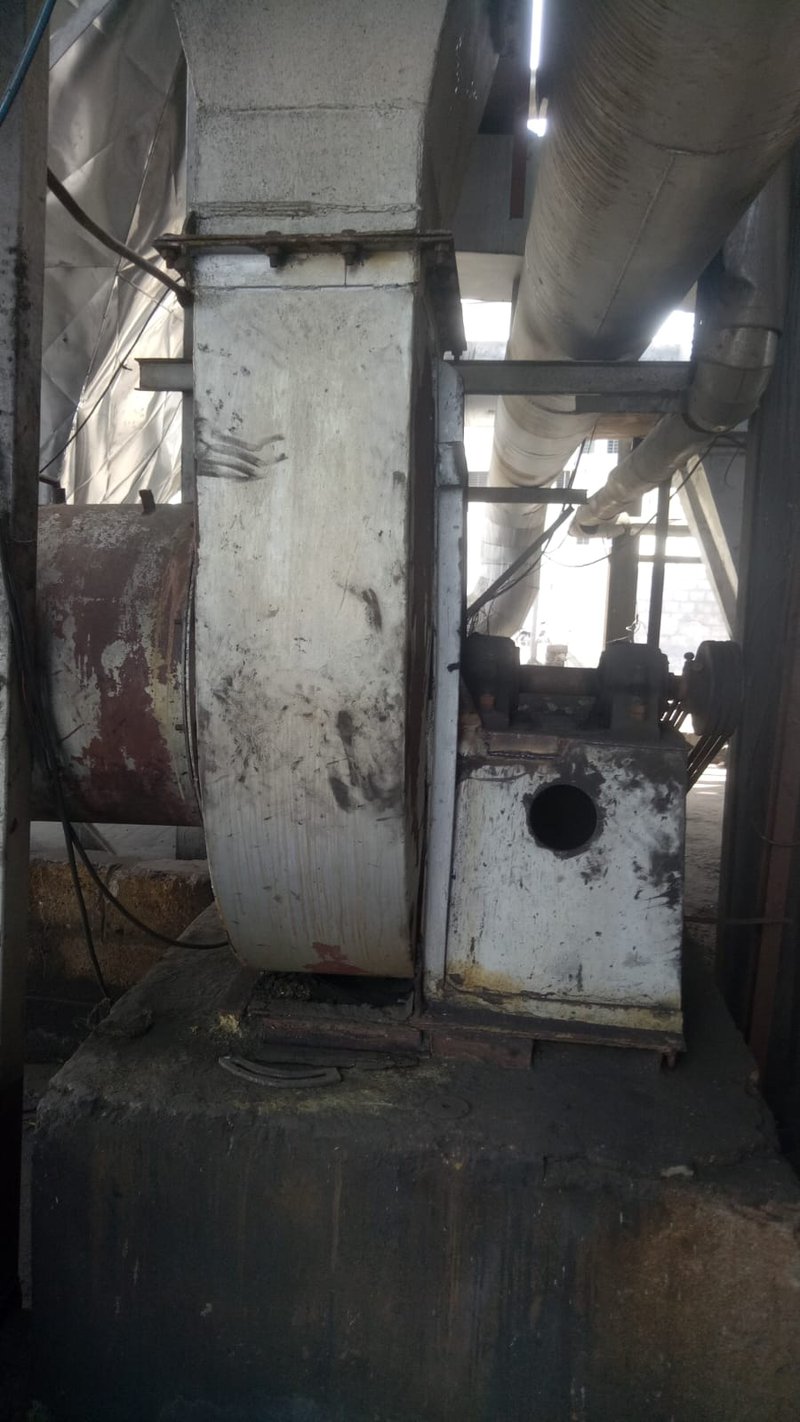
Furnace Fume Extraction System
Gallery 0
Gallery 1
Gallery 2

Furnace Fume Extraction System

Industrial Grade High Efficiency Quality Tested

Systems designed to capture and treat fumes from industrial furnaces and smelting operations.

Key Features

  • High temperature capability
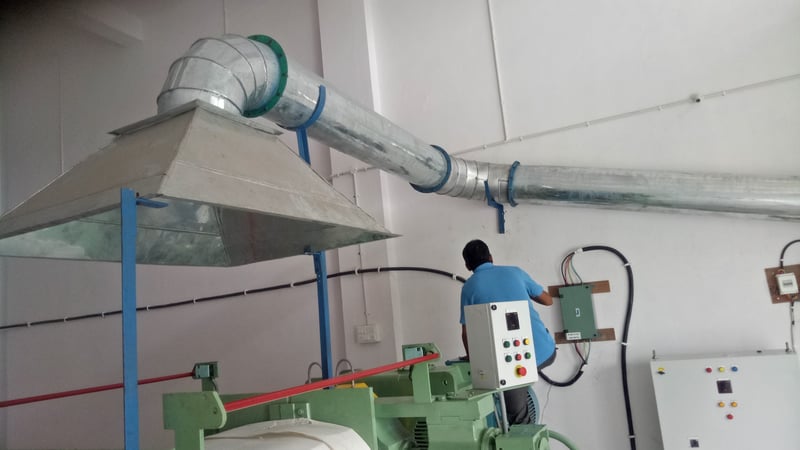
  • Effective capture hoods
  • Pollution compliance
  • Heat-resistant materials
  • Toxic fume removal

Pricing & Quote

Get customized pricing based on your exact specifications. Our team provides competitive quotes within 2-4 hours.

Custom Pricing Quick Response Best Rates

Technical Specifications

Material Stainless Steel / Mild Steel / FRP
Capacity Customizable up to 100,000 CFM
Pressure Up to 1500 mmWG
Temperature Up to 450°C
Drive Type Direct / Belt / Coupling
Efficiency Up to 85%

* Specifications may vary based on custom requirements. Contact our engineering team for precise data.

Industrial Applications

Induction Furnaces
Arc Furnaces
Smelting
Metal Melting

Furnace Fume Extraction System Price & Cost Information

The price of Furnace Fume Extraction System varies based on multiple factors including specifications, capacity, materials, and customization requirements. At Primeairtech, we provide competitive pricing tailored to your exact industrial needs.

Factors Affecting Furnace Fume Extraction System Pricing:

  • Capacity & CFM Rating: Higher airflow capacity requires larger motors and impellers, affecting cost
  • Material of Construction: Mild steel, stainless steel, or FRP options at different price points
  • Pressure Requirements: High-pressure variants require reinforced construction
  • Drive Type: Direct drive, belt drive, or coupling arrangements
  • Special Features: VFD integration, high-temperature tolerance, explosion-proof variants
  • Installation & Commissioning: On-site support and training services

Get Accurate Furnace Fume Extraction System Price Quote

For the most accurate pricing on Furnace Fume Extraction System, we recommend contacting our sales team with your specific requirements. We provide detailed quotations with:

  • Competitive market rates guaranteed
  • Detailed cost breakdown included
  • Quick response within 2-4 hours
  • Technical consultation at no extra cost
Frequently Asked Questions

Common Questions About Furnace Fume Extraction System

Find answers to the most common questions asked by our clients.

Specialized system for capturing metal fumes and gases from melting/heating operations: Components: (1) Capture hoods over furnace/crucible - canopy hood or side-draft hood depending on furnace type. (2) High-temperature ductwork (SS or insulated MS) - handles 200-400°C exhaust. (3) Cooling section - reduces gas temperature to 80-120°C before filtration via air dilution or heat exchanger. (4) Filter (bag/cartridge) - captures sub-micron metal oxide particles. (5) Induced draft fan - located after filter in clean air stream. Metal fumes: Extremely fine particles 0.01-1.0 micron created when metal vapor condenses in air - zinc, lead, copper, cadmium, manganese, iron oxides. Health hazard: Metal fume fever, long-term exposure causes lung disease. Capture efficiency: Requires 99%+ collection due to health toxicity. Applications: Foundry furnaces, induction melting, brass/bronze casting, zinc galvanizing, lead battery recycling.
CFM requirements depend on furnace type and size: Induction furnace (metal melting): Canopy hood requires 150-250 CFM per sq.ft furnace opening area. Example: 3×3 feet opening (9 sq.ft) = 1,350-2,250 CFM. Crucible furnace: 100-150 CFM per sq.ft furnace top area. Heat treatment furnace: 50-100 CFM per sq.ft door opening area. Galvanizing kettle: 200-300 CFM per sq.ft molten zinc surface area (high fume generation rate). Factors affecting CFM: Furnace operating temperature (higher temp = more fume generation), room cross-drafts (require higher CFM to overcome), hood distance from source (closer = less CFM needed). Under-sizing consequences: Fumes escape into workplace causing health exposure, visible smoke indicating poor capture. Over-sizing: Wastes energy but ensures effective capture - better to err on high side for health-critical applications. Always follow industrial ventilation design guides (ACGIH manual) for specific calculations.
Bag filter temperature limits: Standard polyester bags rated only 135°C. Furnace exhaust exits at 200-500°C - direct connection would instantly melt/burn bags. Even high-temp Nomex/fiberglass bags (rated 200-260°C) have reduced life at maximum temperature. Cooling methods: (1) Air dilution: Mix cool ambient air with hot exhaust using motorized damper. Simplest/cheapest but increases total CFM (larger/more expensive downstream equipment). (2) Heat exchanger (air-to-air): Hot exhaust passes through finned tubes, outside air cools it. Recovers some heat energy. More expensive capital cost but lower operating cost. (3) Spray cooling (atomized water): Fine water mist evaporates cooling gas. Risk of condensation if over-cooled (creates sticky sludge with metal dust). Target temperature: Cool to 80-120°C for polyester bags, 140-180°C for Nomex. Additional benefit: Cooling also shrinks gas volume (less CFM at baghouse = smaller/cheaper collector).
Metal oxide fumes are challenging filtration: Polyester (standard): OK if cooled below 135°C, lowest cost (₹800-1,500/bag), adequate for most furnace applications after cooling. Life 12-18 months. Aramid/Nomex: Better for 150-200°C applications, longer life (18-24 months) due to higher heat tolerance, cost 3-4× polyester. PTFE membrane laminate: Polyester or Nomex base fabric with PTFE membrane surface layer. Advantages: Superior release of sticky metal oxide dust (doesn't blind bags), allows higher filtration velocity (= smaller collector), 99.95-99.99% efficiency (versus 99.5% standard bags). Cost: 4-6× standard bags but can pay back through longer life and smaller collector size. Recommendation: For zinc/lead fumes (sticky oxides), PTFE membrane essential. For iron/steel fumes (less sticky), standard polyester adequate. For high-value metals (precious metals recovery), PTFE membrane prevents product loss through superior capture efficiency. Consult with specific furnace exhaust gas analysis for optimal material selection.
Yes, workplace air quality regulations mandate fume control. India regulations: Factories Act 1948 Section 14 requires adequate ventilation and control of toxic fumes. Specific limits for metal fumes: Lead 0.15 mg/m³ (8-hr TWA), Zinc oxide 5 mg/m³, Manganese 0.2 mg/m³, Cadmium 0.01 mg/m³ (most stringent). Enforcement: State pollution control boards conduct workplace inspections. Violations result in fines, shutdown orders, criminal prosecution for serious health incidents. Worker compensation: Employees developing metal fume fever or chronic lung disease can claim compensation if employer didn't provide adequate ventilation. Best practice: (1) Install properly designed fume extraction meeting 99%+ capture, (2) Monitor workplace air quality quarterly (hire certified industrial hygienist), (3) Document maintenance records proving system operates continuously, (4) Provide respiratory protection as additional safeguard even with good ventilation. Compliance is non-negotiable - health and legal liability too high to operate furnaces without proper fume extraction. Invest in quality system initial ly rather than face penalties and health claims later.

Still Have Questions?

Our team is here to help you find the perfect solution for your industrial needs.

Related Products
Need a Custom Solution?

Our engineering team specializes in customizing Furnace Fume Extraction System to meet your exact specifications and constraints.

Contact Our Engineers