Home Products Centrifugal Blowers & Fans High Pressure Centrifugal Blowers
High Pressure Centrifugal Blowers
Gallery 0
Gallery 1
Gallery 2
Gallery 3
Gallery 4
Gallery 5

High Pressure Centrifugal Blowers

Industrial Grade High Efficiency Quality Tested

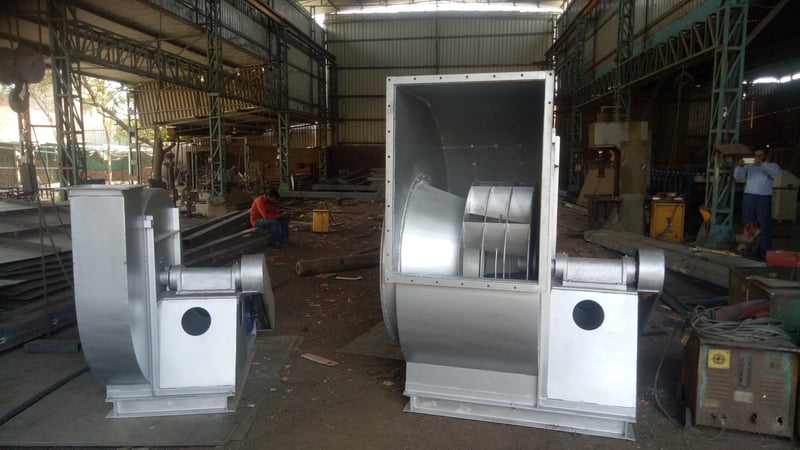
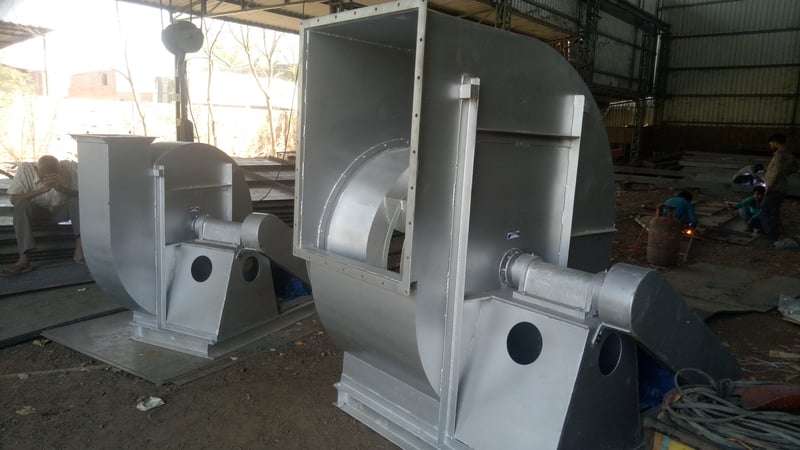
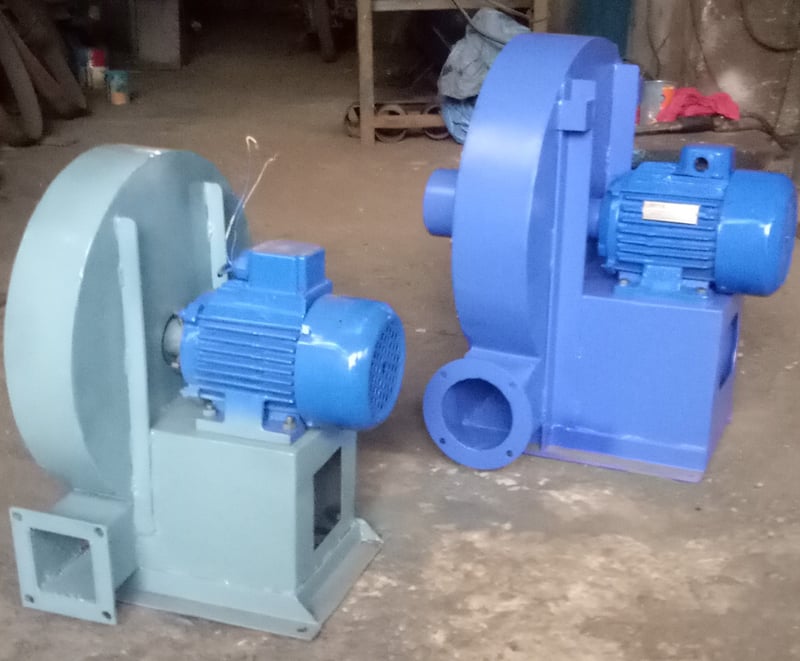
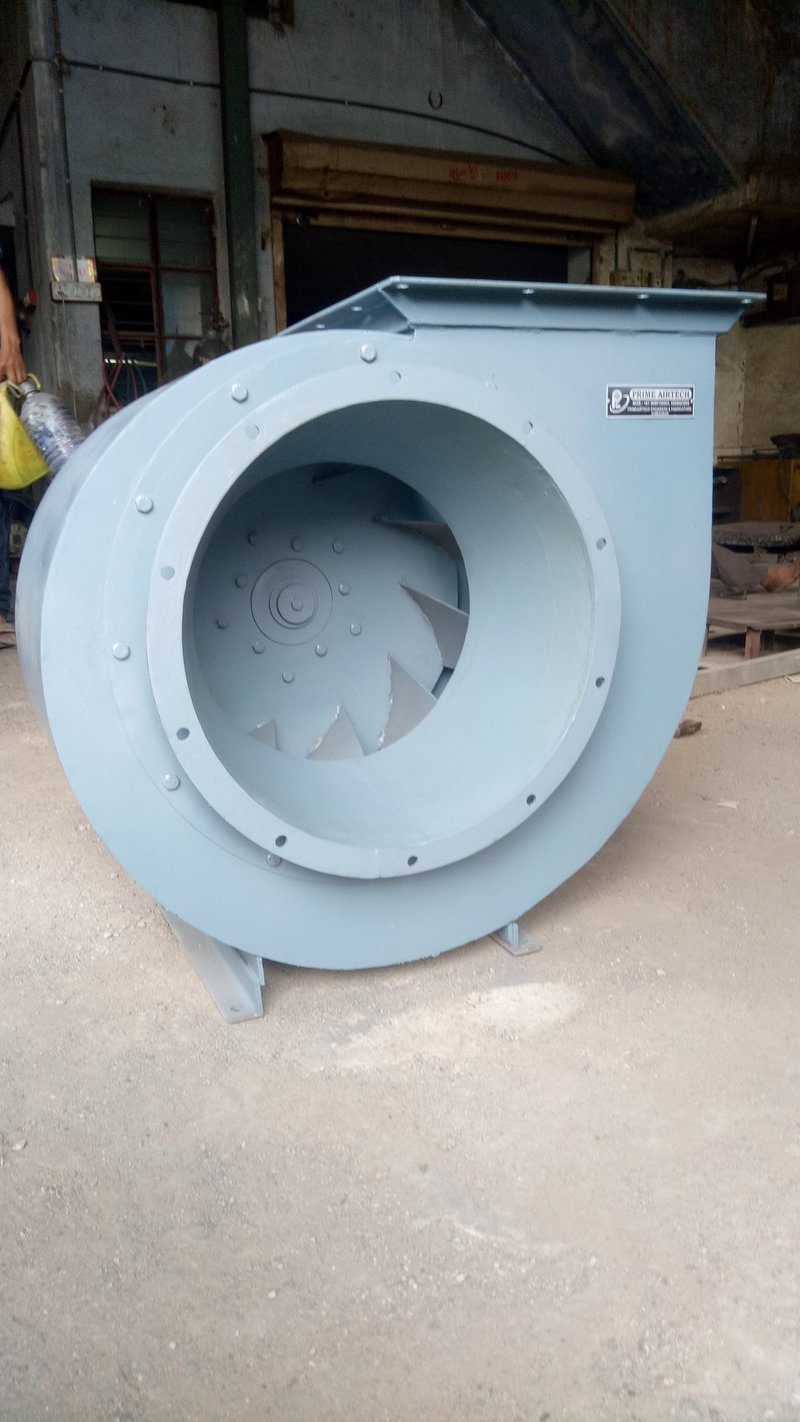
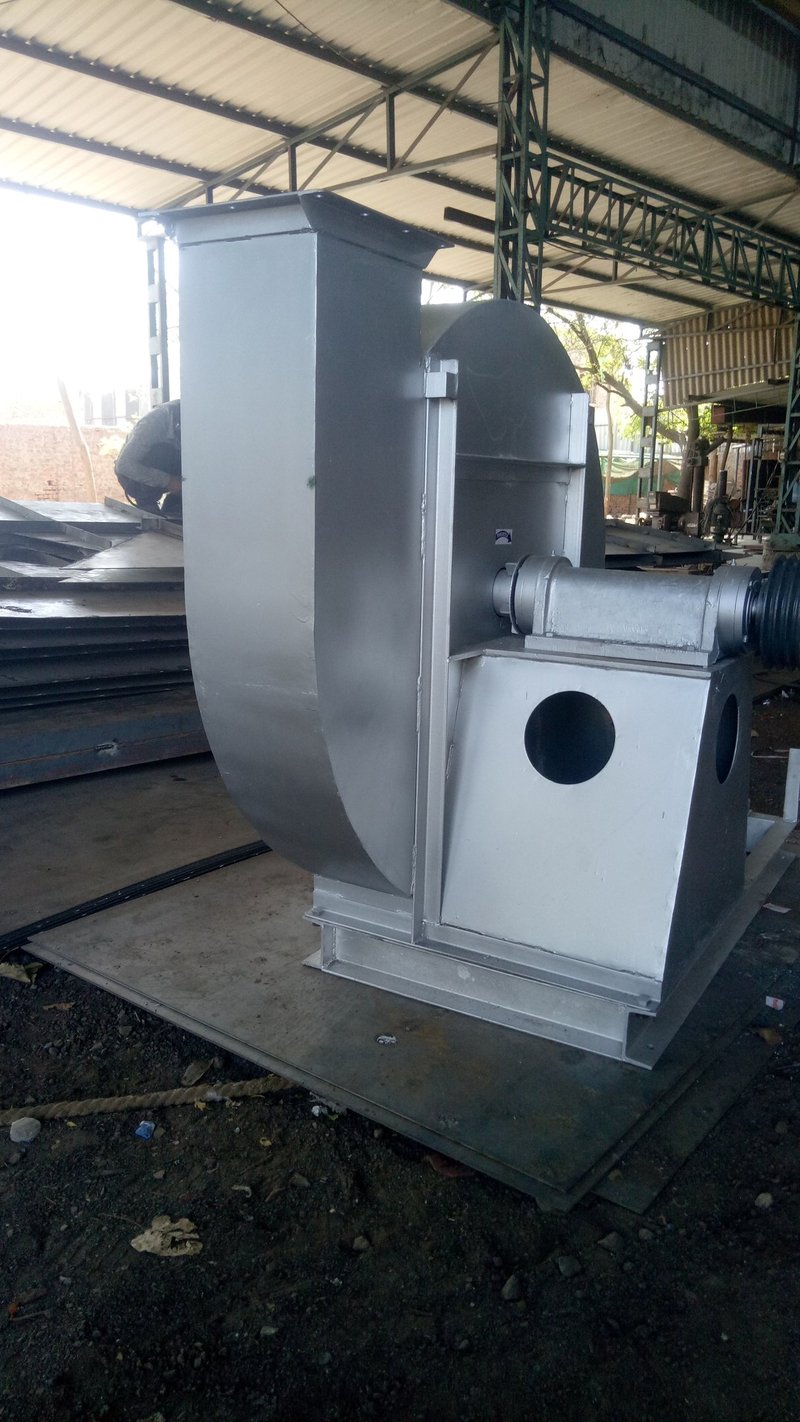
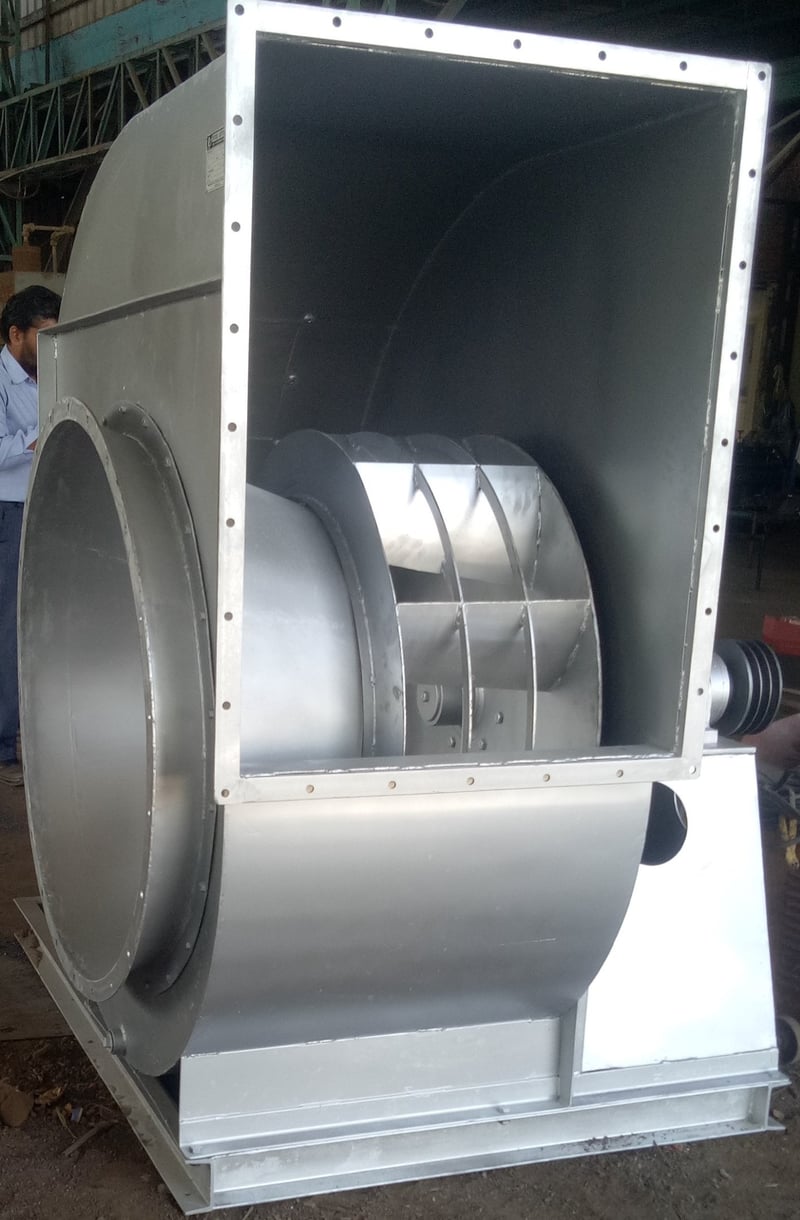
Designed for applications requiring high static pressure, such as pneumatic conveying and combustion air supply.

Key Features

  • High efficiency impeller design
  • Robust construction
  • Low noise operation
  • Wear-resistant materials
  • Multiple pressure options

Pricing & Quote

Get customized pricing based on your exact specifications. Our team provides competitive quotes within 2-4 hours.

Custom Pricing Quick Response Best Rates

Technical Specifications

Material Stainless Steel / Mild Steel / FRP
Capacity Customizable up to 100,000 CFM
Pressure Up to 1500 mmWG
Temperature Up to 450°C
Drive Type Direct / Belt / Coupling
Efficiency Up to 85%

* Specifications may vary based on custom requirements. Contact our engineering team for precise data.

Industrial Applications

Pneumatic Conveying
Glass Industry
Cement Plants
Combustion Air Supply

High Pressure Centrifugal Blowers Price & Cost Information

The price of High Pressure Centrifugal Blowers varies based on multiple factors including specifications, capacity, materials, and customization requirements. At Primeairtech, we provide competitive pricing tailored to your exact industrial needs.

Factors Affecting High Pressure Centrifugal Blowers Pricing:

  • Capacity & CFM Rating: Higher airflow capacity requires larger motors and impellers, affecting cost
  • Material of Construction: Mild steel, stainless steel, or FRP options at different price points
  • Pressure Requirements: High-pressure variants require reinforced construction
  • Drive Type: Direct drive, belt drive, or coupling arrangements
  • Special Features: VFD integration, high-temperature tolerance, explosion-proof variants
  • Installation & Commissioning: On-site support and training services

Get Accurate High Pressure Centrifugal Blowers Price Quote

For the most accurate pricing on High Pressure Centrifugal Blowers, we recommend contacting our sales team with your specific requirements. We provide detailed quotations with:

  • Competitive market rates guaranteed
  • Detailed cost breakdown included
  • Quick response within 2-4 hours
  • Technical consultation at no extra cost
Frequently Asked Questions

Common Questions About High Pressure Centrifugal Blowers

Find answers to the most common questions asked by our clients.

High-pressure centrifugal blowers generate static pressure from 100 mmWC up to 1500 mmWC, significantly higher than standard ventilation fans. This pressure capability allows them to overcome substantial system resistance from long ductwork runs, multiple filters, dense material columns, or process equipment. The exact pressure depends on impeller design - backward curved blowers typically achieve 100-600 mmWC efficiently, while radial blade designs reach 300-1000 mmWC for demanding applications. For systems requiring above 1500 mmWC, we recommend multi-stage blowers or positive displacement roots blowers. Our engineers select the optimal pressure rating based on your calculated system resistance plus 20-30% safety factor.
Efficiency varies by impeller type: Backward curved impellers deliver 75-85% efficiency (highest), forward curved achieve 60-70%, and radial blade designs provide 60-75%. Higher efficiency directly reduces operating costs - a 10% efficiency improvement on a 100 HP blower running continuously saves approximately ₹1,20,000 annually in electricity. We recommend backward curved designs for 24/7 operations where energy costs dominate lifecycle expenses. The efficiency also depends on operating point - blowers perform most efficiently at their design CFM/pressure point, dropping 10-15% when operated significantly off design conditions.
We offer multiple material options: Mild Steel (MS) with epoxy coating for clean, dry air (most economical). SS304 for moist environments, food processing, and mildly corrosive applications. SS316 for highly corrosive gases, chemical processing, and coastal installations with salt spray. FRP (Fiberglass) for extremely corrosive acids/chemicals at temperatures below 120°C. Material selection significantly impacts cost - SS316 costs approximately 3-4x MS construction. Our engineers recommend materials based on your gas composition, temperature, and moisture content to optimize cost vs. longevity.
Yes, with appropriate construction. Standard blowers handle up to 80°C using MS construction and standard ball bearings. Medium-temperature (80-250°C) requires high-temperature bearings and thermal insulation. High-temperature designs (250-800°C) utilize special alloy steel impellers, water-cooled bearings, extended shafts, and ceramic/refractory insulation. Important: hot gas expands, requiring volume correction - Actual CFM = Standard CFM × (Actual Temp K / 293K). A 300°C application requires nearly 2x the physical blower size versus ambient temperature. Always specify exact operating temperature during quotation for accurate sizing.
With proper maintenance, the blower casing and structure last 15-25 years. Consumable component lifespans: Bearings: 3-7 years (depends on operating hours/conditions), Belts: 1-3 years, Impeller: 10-20 years (abrasive environments reduce to 5-10 years), Motor: 10-15 years. Continuous 24/7 operation reduces lifespan 30-40% versus 8-hour shifts. Key lifespan factors: regular lubrication, operating within design parameters, preventing dust accumulation, prompt vibration issue resolution, and annual rebalancing for critical applications. Preventive maintenance significantly extends equipment life.
Systematic troubleshooting steps: (1) Check filters - clogged filters are the #1 cause of reduced flow. (2) Verify rotation direction using motor nameplate - wrong rotation reduces flow 50-70%. (3) Ensure all dampers fully open - partially closed dampers often overlooked. (4) Inspect ductwork for blockages or collapsed sections. (5) Clean impeller - dust buildup reduces efficiency significantly. (6) Check V-belt tension - slipping belts reduce RPM. (7) Measure actual motor speed with tachometer. (8) Measure static pressure - may exceed design if system modified. If all checks pass, blower may be undersized for actual system resistance. Contact our engineers for professional flow testing and system analysis.
Common causes: (1) Excessive system pressure - damper too open or system resistance lower than design. (2) Wrong rotation direction - increases power draw. (3) Oversized impeller - delivers more CFM than needed, overloading motor. (4) High air density - cold or humid air is denser, requiring more power. (5) Mechanical issues - misalignment, bearing friction, impeller rubbing. Solutions: Close discharge damper gradually while monitoring current, verify rotation matches arrow on casing, check alignment precisely, consider VFD for speed reduction, or replace with smaller impeller. Never operate motor continuously above nameplate current - causes overheating and premature failure.
Belt Drive advantages: Flexible speed adjustment via pulley changes, absorbs shock/vibration protecting motor, lower initial cost for standard motor speeds, easier maintenance access, simple motor replacement. Disadvantages: 3-5% energy loss through belts, annual belt replacement needed, requires periodic tension adjustment, slightly higher noise. Direct Drive advantages: Higher efficiency (no belt losses), lower long-term maintenance, quieter operation, more compact design. Disadvantages: Fixed speed without VFD, higher initial investment, motor replacement more complex. Recommendation: Direct drive for high-efficiency 24/7 applications where energy savings justify higher cost. Belt drive for variable speed needs, easier maintenance requirements, or budget constraints.
Greasing frequency depends on duty cycle: Light duty (8 hrs/day): Every 3 months. Medium duty (16 hrs/day): Every 2 months. Heavy duty (24/7): Monthly. High temperature (>60°C): Monthly regardless of hours. Use NLGI Grade 2 lithium-based grease for general applications, high-temp grease above 60°C. Application: 3-4 grease gun pumps per bearing, grease sparingly - over-greasing causes bearing failure as damaging as under-greasing. Grease until slight purging appears at bearing seals. Modern sealed bearings may be pre-lubricated for life - check manufacturer specifications before greasing.
Yes, VFDs (Variable Frequency Drives) work excellently with most centrifugal blowers. Benefits: Substantial energy savings following cube law (80% speed = 51% power), soft start reducing mechanical stress, precise flow control, elimination of damper throttling losses. Considerations: Standard induction motors compatible, older motors may need insulated bearings for bearing currents, minimum speed typically 30-40% (below this inadequate motor cooling), skip resonance frequencies during acceleration. Energy savings example: Reducing speed 20% saves approximately 50% energy. Not recommended for: Constant-speed applications where load never varies - use damper control instead. VFD investment typically pays back in 1-2 years through energy savings on variable-load applications.
For hazardous Zone 1/Zone 2 areas: Non-sparking construction: Aluminum alloy or bronze impellers, stainless steel housing, zero ferrous-to-ferrous contact points. Flame-proof motors: Special enclosures preventing flame propagation outside motor. Static discharge protection: Continuous electrical bonding of all rotating components, static discharge brushes, earthing straps. Temperature monitoring: Bearing RTD sensors with automatic shutdown at preset limits. Intrinsically safe controls: All electrical connections in explosion-proof junction boxes. Applications: paint spray booths, chemical solvent handling, pharmaceutical solvent recovery, grain silos, coal dust environments. Lead time 35-45 days due to specialized components and rigorous testing. Cost premium 80-120% over standard construction.
Total static pressure equals sum of all resistances: (1) Duct friction: Use friction loss charts based on duct size, length, velocity. Rule of thumb: 0.08-0.15 mmWC per meter for 10-15 m/sec velocity. (2) Fittings: Each 90° elbow ≈ 10-15 mmWC, transitions ≈ 5-10 mmWC. Use radius elbows to reduce losses. (3) Filters: Clean bag filter 50-80 mmWC, loaded 120-150 mmWC - always design for loaded condition. (4) Grilles/louvers: 5-15 mmWC each. (5) Equipment resistance: Heat exchangers, scrubbers per manufacturer data. Add 25-30% safety margin for filter loading over time and future modifications. Provide duct layout to our engineers for accurate pressure calculation and blower selection avoiding under-sizing (poor performance) or over-sizing (wasted energy).

Still Have Questions?

Our team is here to help you find the perfect solution for your industrial needs.

Related Products

Need a Custom Solution?

Our engineering team specializes in customizing High Pressure Centrifugal Blowers to meet your exact specifications and constraints.

Contact Our Engineers