Home Products Centrifugal Blowers & Fans Medium Pressure Blowers
Medium Pressure Blowers
Gallery 0
Gallery 1
Gallery 2
Gallery 3
Gallery 4

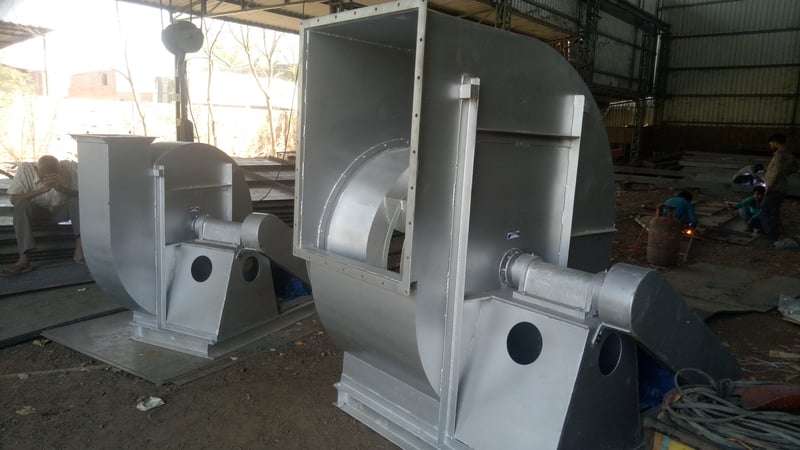
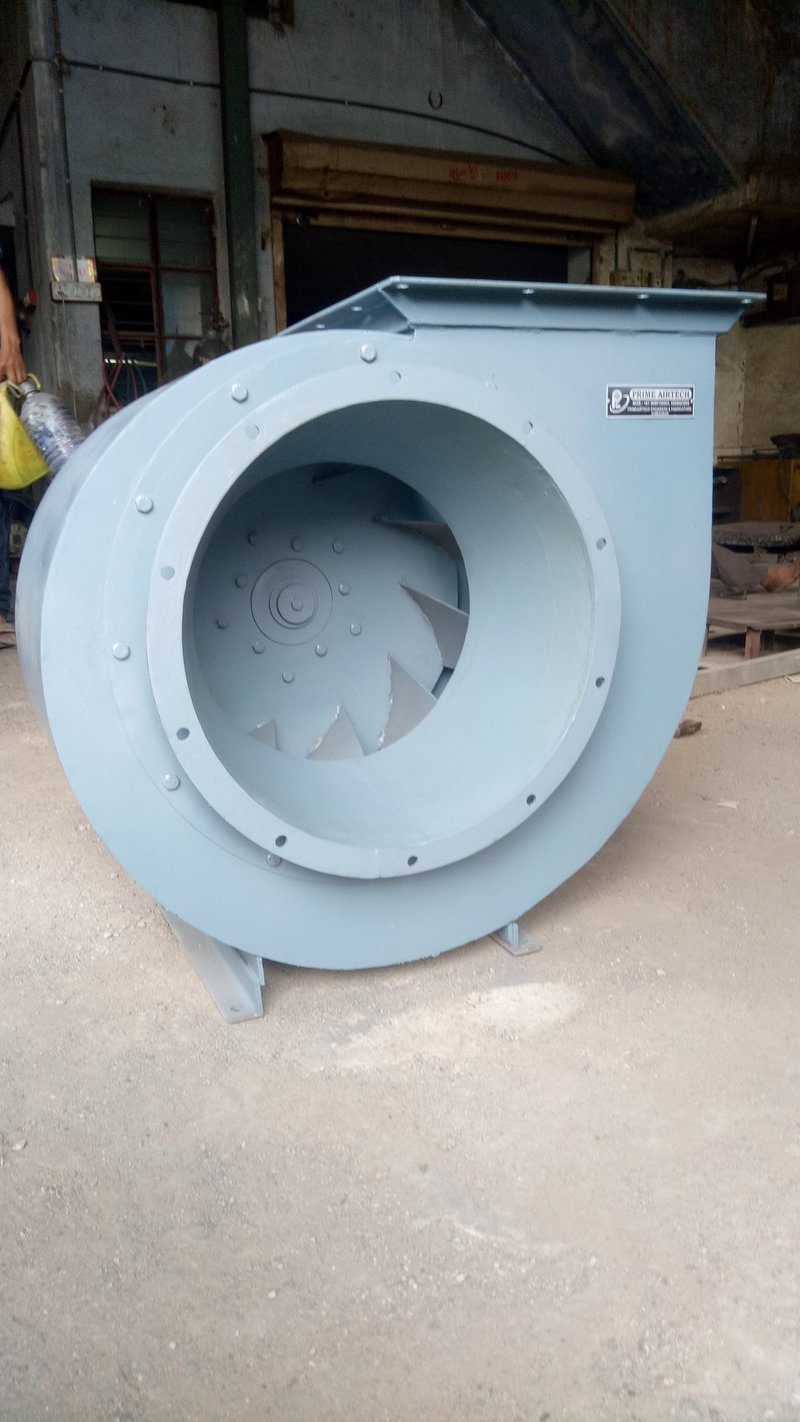
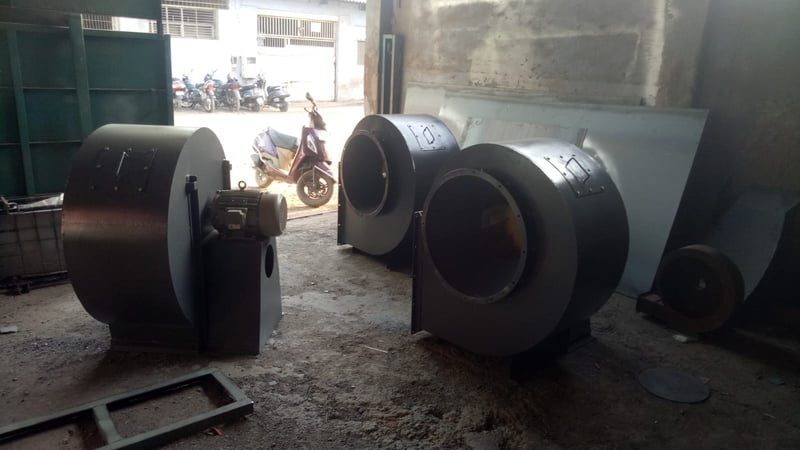
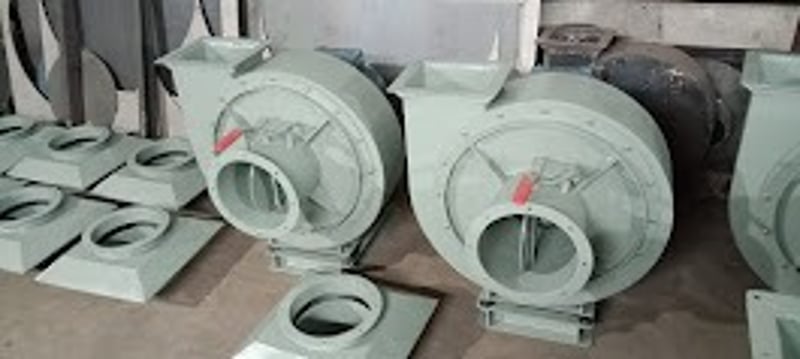
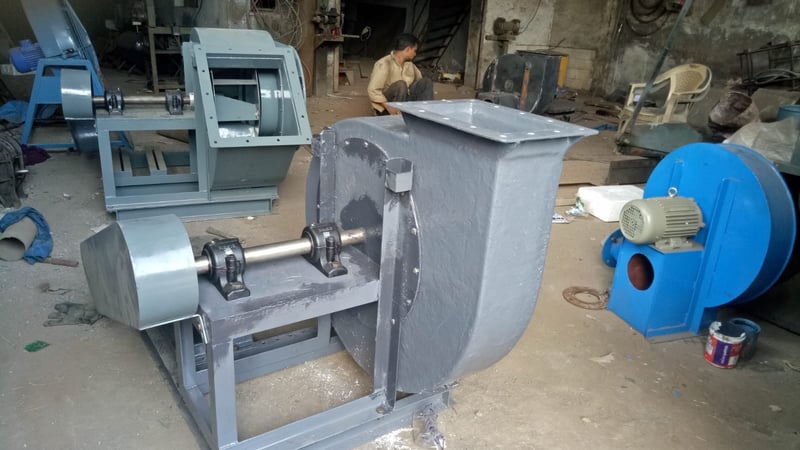
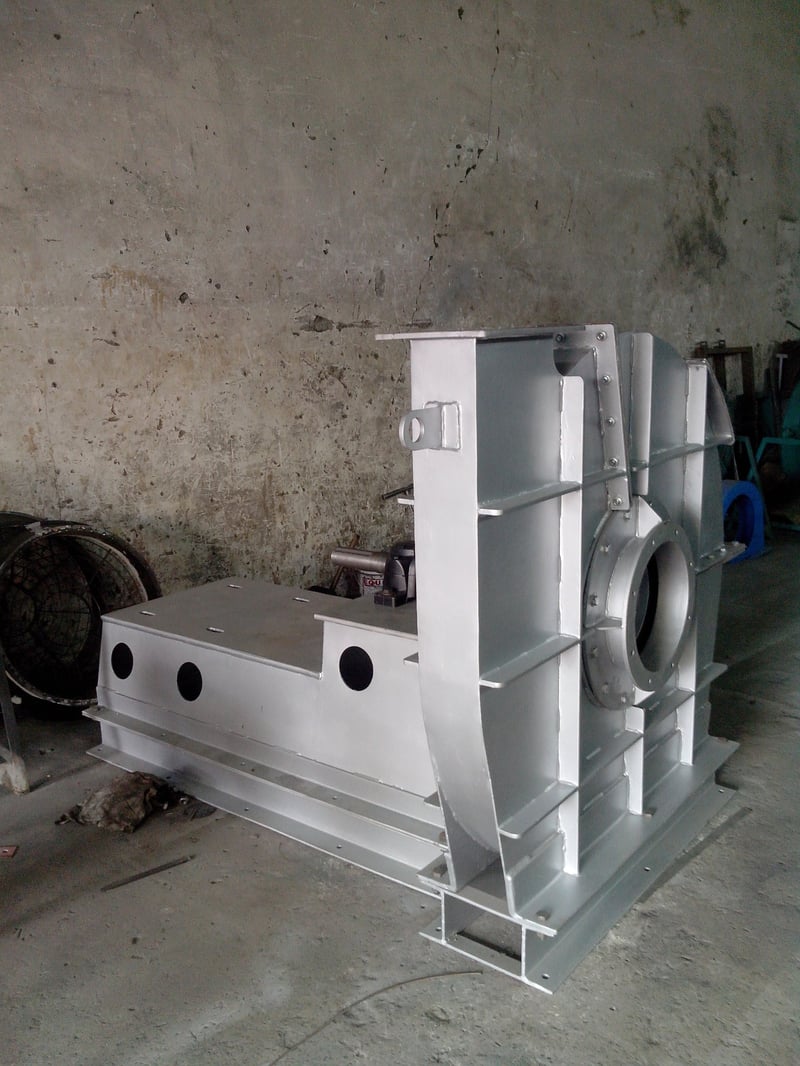
Medium Pressure Blowers

Industrial Grade High Efficiency Quality Tested

Versatile blowers suitable for a wide range of industrial processes requiring moderate pressure and airflow.

Key Features

  • Balanced performance
  • Durable build
  • Low maintenance
  • Flexible installation
  • Corrosion-resistant coating

Pricing & Quote

Get customized pricing based on your exact specifications. Our team provides competitive quotes within 2-4 hours.

Custom Pricing Quick Response Best Rates

Technical Specifications

Material Stainless Steel / Mild Steel / FRP
Capacity Customizable up to 100,000 CFM
Pressure Up to 1500 mmWG
Temperature Up to 450°C
Drive Type Direct / Belt / Coupling
Efficiency Up to 85%

* Specifications may vary based on custom requirements. Contact our engineering team for precise data.

Industrial Applications

Dust Collection
Drying Systems
Fume Extraction
Process Air Supply

Medium Pressure Blowers Price & Cost Information

The price of Medium Pressure Blowers varies based on multiple factors including specifications, capacity, materials, and customization requirements. At Primeairtech, we provide competitive pricing tailored to your exact industrial needs.

Factors Affecting Medium Pressure Blowers Pricing:

  • Capacity & CFM Rating: Higher airflow capacity requires larger motors and impellers, affecting cost
  • Material of Construction: Mild steel, stainless steel, or FRP options at different price points
  • Pressure Requirements: High-pressure variants require reinforced construction
  • Drive Type: Direct drive, belt drive, or coupling arrangements
  • Special Features: VFD integration, high-temperature tolerance, explosion-proof variants
  • Installation & Commissioning: On-site support and training services

Get Accurate Medium Pressure Blowers Price Quote

For the most accurate pricing on Medium Pressure Blowers, we recommend contacting our sales team with your specific requirements. We provide detailed quotations with:

  • Competitive market rates guaranteed
  • Detailed cost breakdown included
  • Quick response within 2-4 hours
  • Technical consultation at no extra cost
Frequently Asked Questions

Common Questions About Medium Pressure Blowers

Find answers to the most common questions asked by our clients.

Medium pressure blowers operate in the 100-600 mmWC range, bridging the gap between low-pressure (0-100 mmWC) and high-pressure (600+ mmWC) designs. This sweet spot makes them ideal for most industrial applications requiring moderate system resistance - dust collection with 2-4 bag filters, ductwork runs up to 50 meters, process ventilation with heat exchangers, or fume extraction through scrubbers. They deliver better efficiency than high-pressure units when extreme pressure isn't needed, while handling significantly more resistance than low-pressure designs. For systems calculated at 75-500 mmWC total static pressure, medium-pressure blowers offer optimal performance and energy efficiency.
Choose medium-pressure when your system resistance calculation falls between 100-500 mmWC. Typical scenarios: Bag house dust collectors (2-4 filters creating 120-300 mmWC loaded resistance), Paint booth exhaust with filters and moderate ductwork, Fume extraction systems through wet scrubbers (150-400 mmWC), Process ventilation with heat recovery units, Multi-point dust pickup with branch ductwork. Low-pressure fails in these applications (can't generate adequate pressure), while high-pressure wastes energy (oversized for actual needs). Medium-pressure delivers 20-30% energy savings versus high-pressure at these duty points while costing 15-25% less.
Medium pressure blowers range from 500 CFM to 80,000+ CFM. Small units (500-3,000 CFM) handle localized dust collection, single grinding booth exhaust, or small process ventilation. Medium capacity (3,000-15,000 CFM) serves typical bag house dust collectors, paint spray booth systems, or multi-hood welding fume extraction. Large units (15,000-80,000+ CFM) support massive dust collection systems, large furnace exhaust, or central ventilation for entire facilities. Unlike low-pressure designs where CFM is the primary specification, medium-pressure selection must balance BOTH CFM and pressure - always calculate your exact system static pressure before selecting capacity.
Yes, with proper impeller selection. For abrasive materials (cement dust, silica sand, metal grinding dust, coal dust): Specify radial blade impellers with thick 8-12mm blade construction and wear-resistant coatings. These handle dust concentrations up to 150-200 g/m³ with impeller life 8-12 years. For moderately abrasive (wood dust, textile fibers, grain dust): Backward inclined impellers with hardened blade tips work well, offering better efficiency (70-78%) versus radial designs (60-70%). For non-abrasive clean air (post-filter side, HVAC): Standard backward curved impellers provide maximum efficiency 75-85%. Always install inspection doors for periodic cleaning and specify replaceable wear liners in scroll housing for highly abrasive applications.
Common medium-pressure applications: Pulse jet bag filters (most common - 120-250 mmWC loaded), Cartridge dust collectors (150-300 mmWC), Paint spray booths with filters and exhaust ductwork, Welding fume extraction (central systems with multiple hoods), Woodworking dust collection (sawdust, planer shavings), Foundry fume extraction (molding, pouring areas), Food processing ventilation (flour mills, spice grinding), Pharmaceutical exhaust (powder handling areas), Textile mill ventilation (fiber dust collection). These share common characteristics: multiple resistance sources (filters + ductwork + hoods) totaling 100-500 mmWC.
Systematic sizing process: Step 1: Calculate required CFM based on application (hood capture area × velocity, or room volume × air changes). Step 2: Calculate total static pressure - sum ALL resistances: filter (clean + loaded condition), duct friction (use charts), fittings (elbows, transitions), hood entry losses. Add 25-30% safety factor. Step 3: Plot your CFM + pressure point on manufacturer curves. Select blower operating 85-95% of maximum pressure - avoids surge zone while maintaining efficiency. Step 4: Size motor 10-15% above calculated BHP to handle filter loading. Common mistake: Under-calculating pressure then oversizing CFM to compensate - results in high operating costs. Our engineering team provides free sizing calculations with duct layout.
Maintenance based on operating hours: Daily (24/7 operations): Check motor current, unusual noise/vibration. Weekly: Belt tension check (if belt-driven), visual impeller inspection through access door. Monthly: Grease bearings (3-4 pumps NLGI Grade 2), clean pre-filters, check all fasteners, measure vibration (should be <4.5 mm/sec). Quarterly: Full impeller cleaning (dust buildup reduces efficiency 10-20%), belt replacement if showing wear, detailed vibration analysis, check motor insulation resistance. Annually: Bearing replacement (preventive), dynamic balancing, motor overhaul inspection, coupling alignment check. For 24/7 operations, consider condition monitoring with vibration sensors and motor current tracking to predict failures before they occur, minimizing downtime.
Yes, VFD retrofit is highly beneficial for variable-load applications. Energy savings: If your system load varies (intermittent operations, seasonal changes, or batch processes), VFD saves 30-60% energy versus constant-speed with damper control. A 75 HP blower running at 80% speed consumes only 51% power (cube law). Retrofit requirements: Verify motor is standard 3-phase induction (95% compatible) or inverter-duty rated. Install reactor/choke to protect motor from voltage spikes. Size VFD at 110-115% of motor HP. Minimum operating speed 35-40% to maintain motor cooling. Payback: Typical VFD investment ₹80,000-2,00,000 depending on HP, pays back in 8-24 months through energy savings on variable-load applications. We provide VFD sizing and installation support.

Still Have Questions?

Our team is here to help you find the perfect solution for your industrial needs.

Related Products
Need a Custom Solution?

Our engineering team specializes in customizing Medium Pressure Blowers to meet your exact specifications and constraints.

Contact Our Engineers